

Yayoi Kusama (1929-2026): the symptom as method
Art Magazine 49
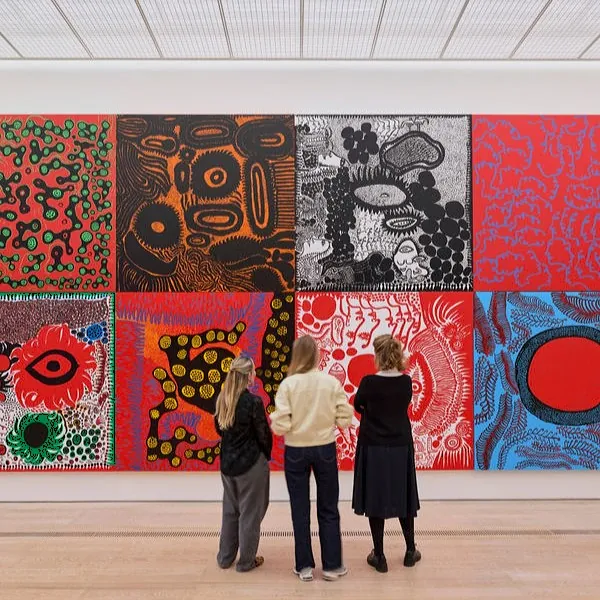
The passing of Yayoi Kusama marks a decisive moment in the history of contemporary art. Her work, often associated with immersion and repetition, must be understood as a perceptual system of rare coherence. Kusama transformed neuropsychological phenomena (persistent visual hallucinations, altered corporeality, episodes of depersonalization) into formal structures capable of redefining our relationship to space, the body, and visual continuity.
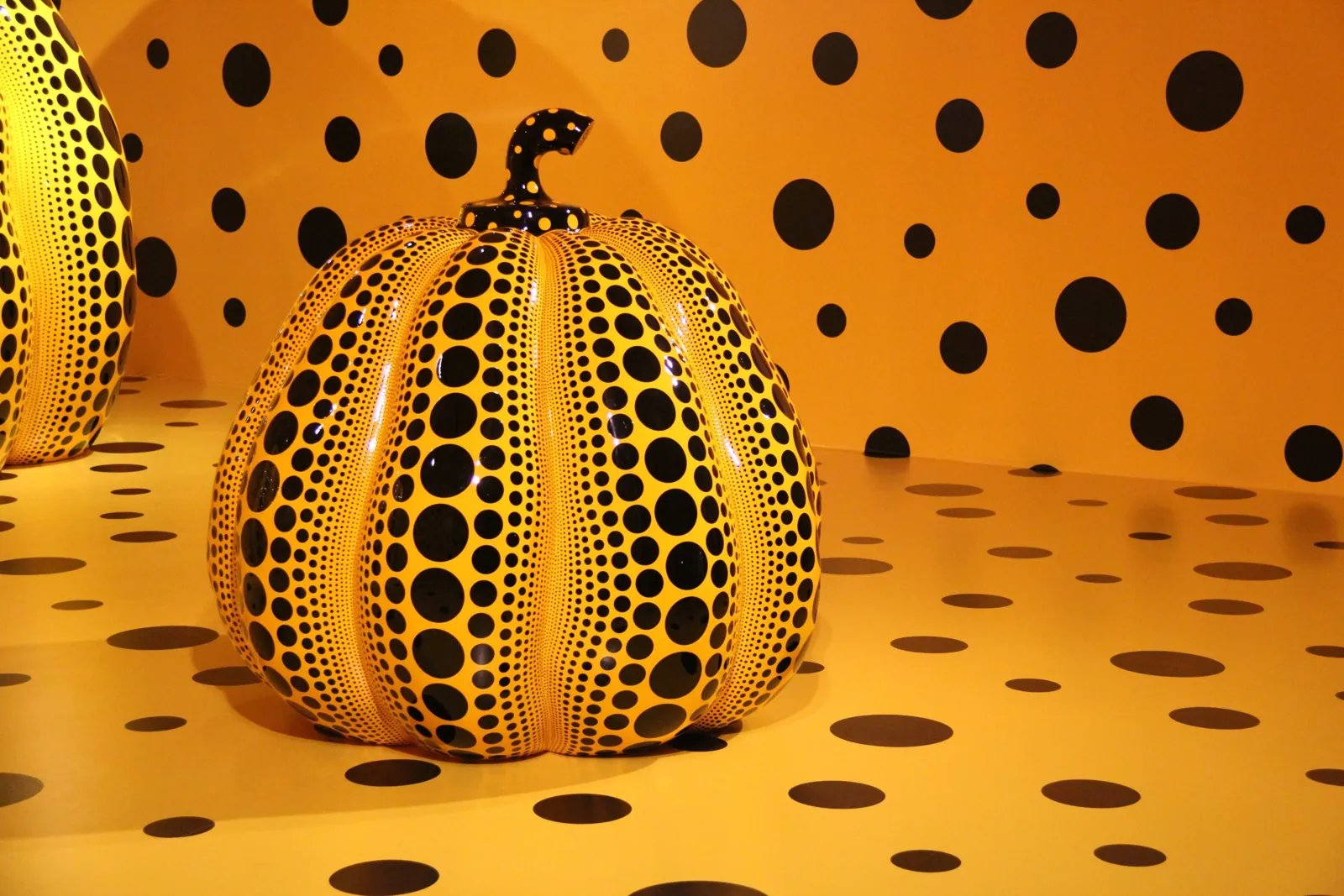
Her immersive environments are not mere sensory experiences; they operate as perceptual devices in which the viewer confronts the dissolution of the center, the absence of hierarchy, and an expanded field of vision. Her personal trajectory, shaped by extreme discipline and a singular relationship with psychiatric care, demonstrates how creation can become a mode of cognitive organization.
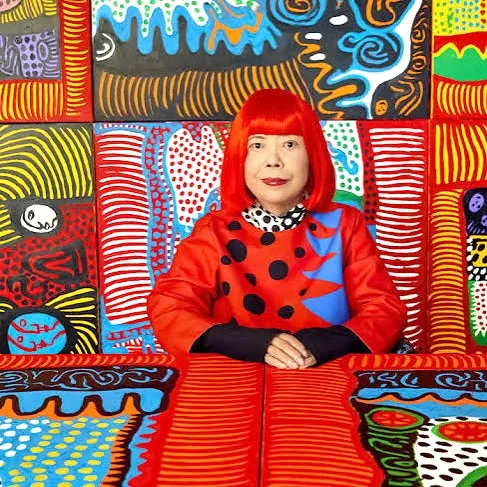
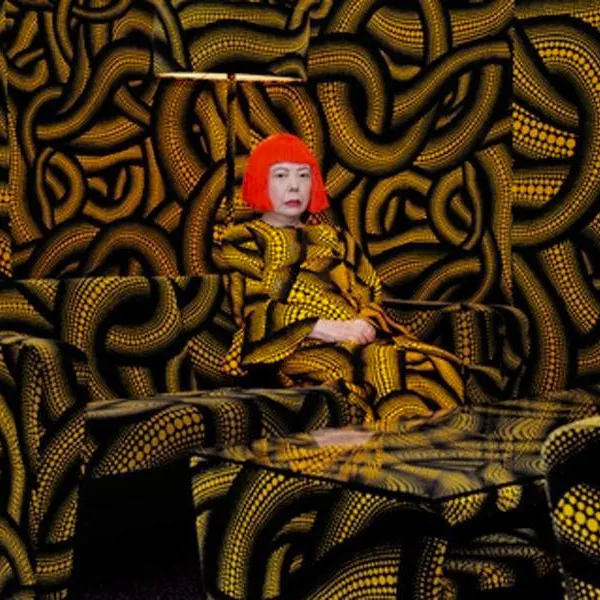
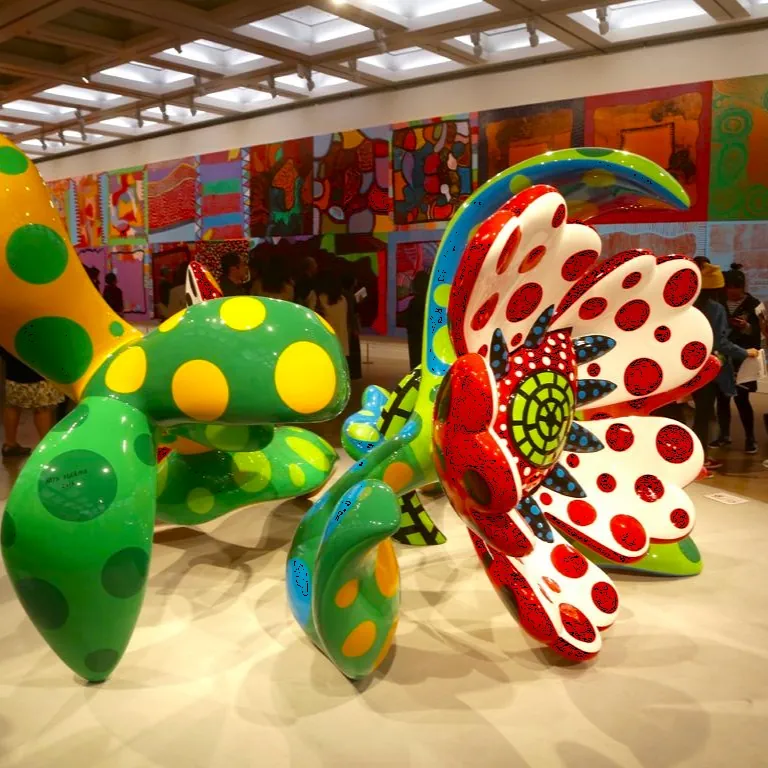
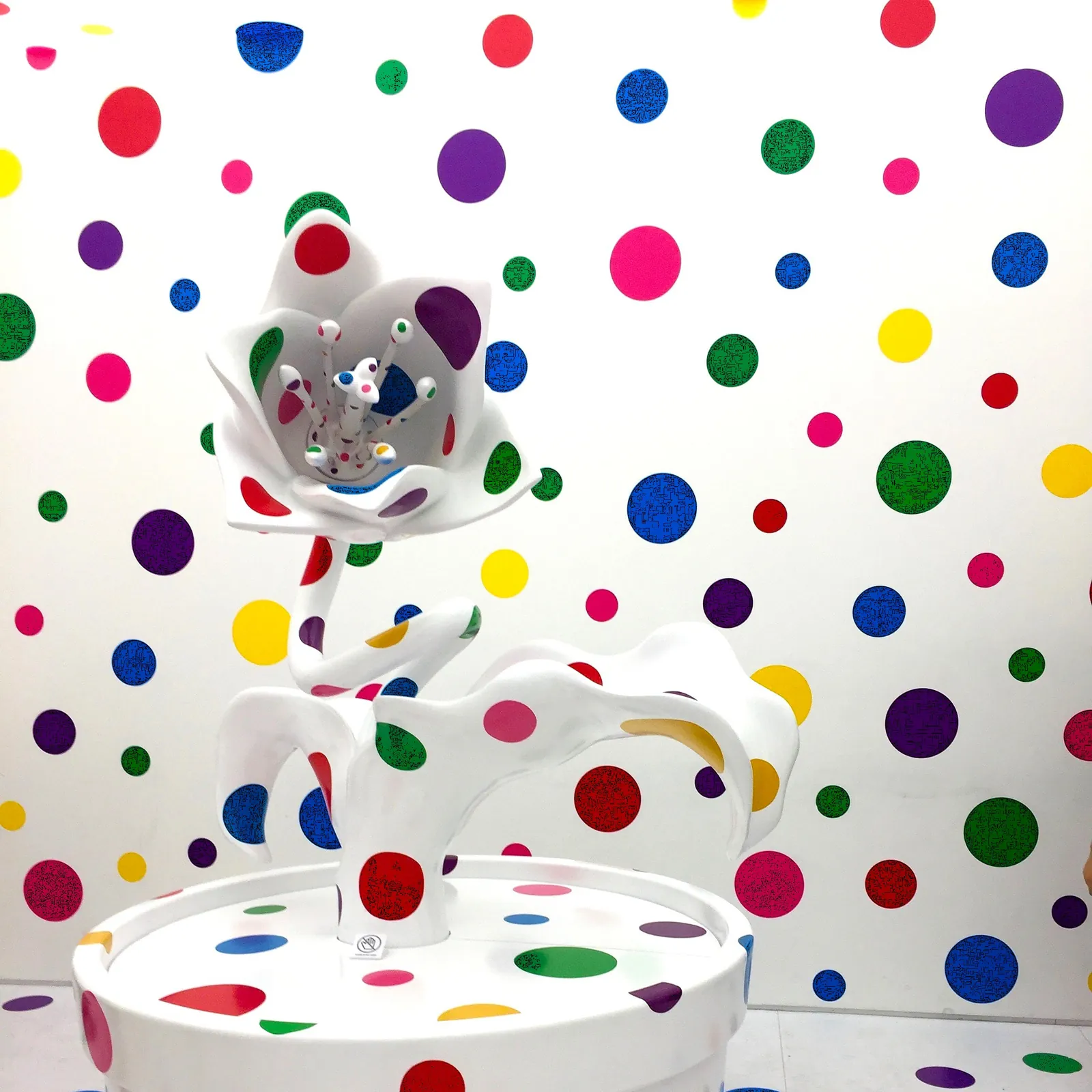
Kusama did not merely produce artworks; she constructed an alternative perceptual system, a mental architecture in which symptom becomes method and fragility becomes expansion. Her visual language (dots, nets, accumulations) is not decorative; it is the plastic translation of a psychic experience that finds form and persistence through repetition.
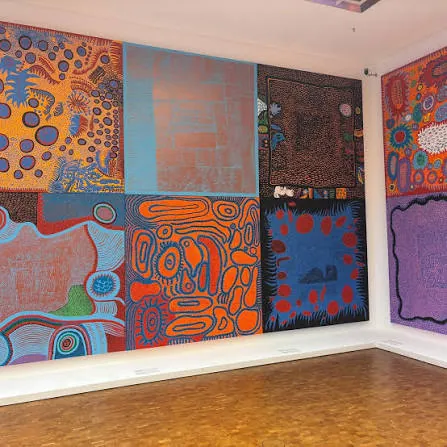
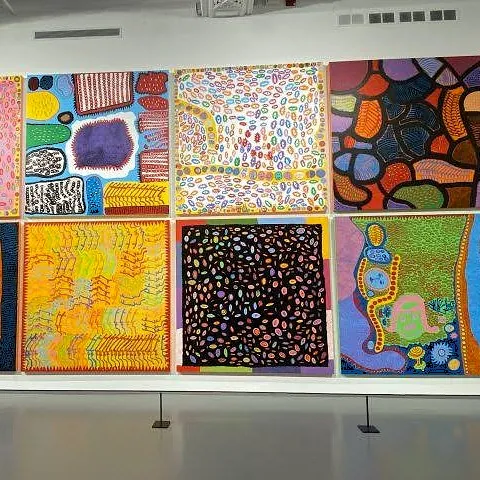
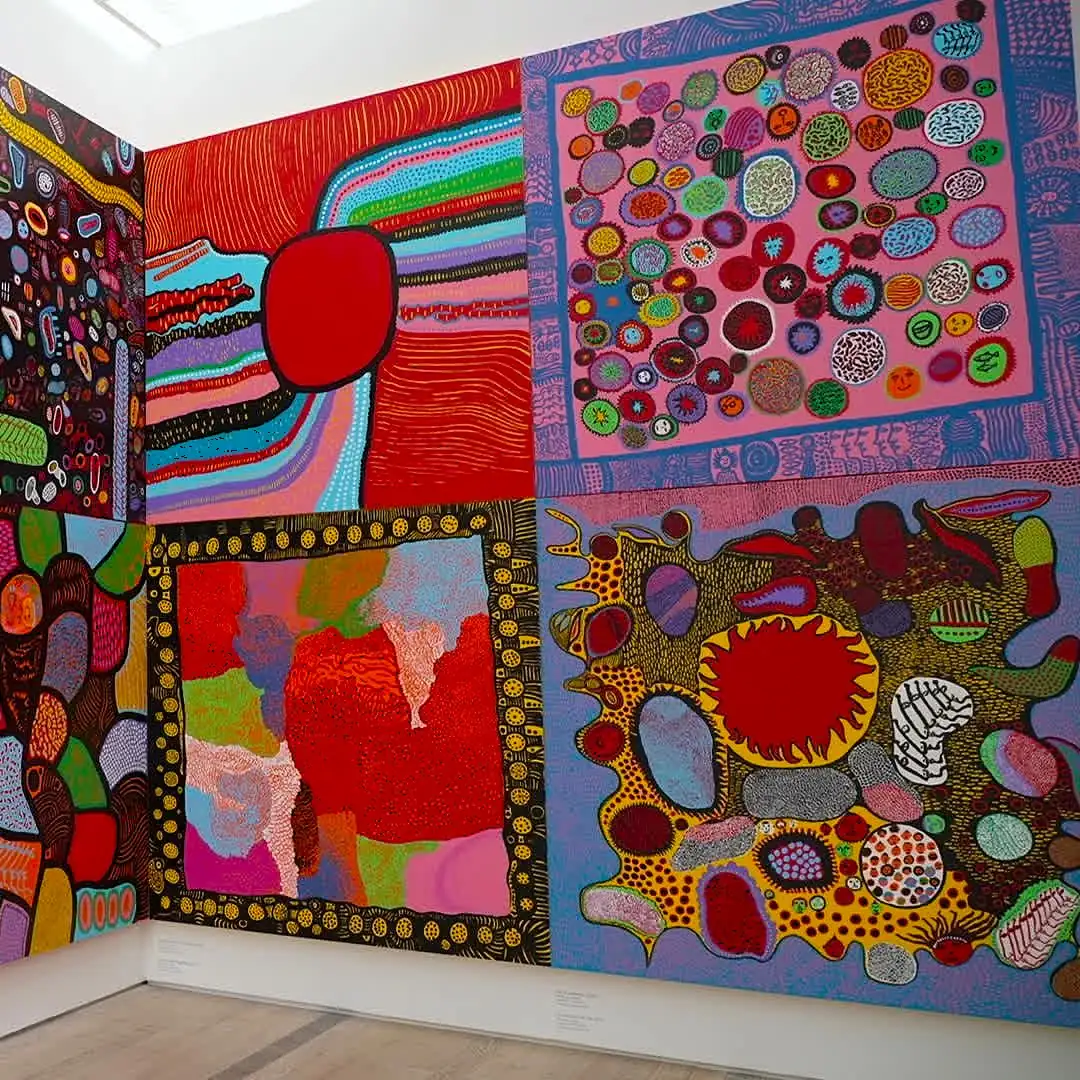
Kusama’s legacy extends beyond aesthetics. It questions the capacity of art to transform vulnerability into structure, to convert perceptual instability into creative method. Today, her work remains a key reference for understanding contemporary forms of perception, immersion, and resistance.