


1826-2026: two centuries of photography born from an accident
Art Magazine 49
Serendipity as the engine of technical modernity
Photography was born from an error, an involuntary gesture that revealed a physical principle before becoming a cultural language. In 1826, Nicéphore Niépce left a photosensitive plate exposed to sunlight with no intention of producing an image. Light, chemistry and time, the triad that still defines the medium, acted on their own. This event, comparable to other accidental scientific discoveries that reshaped history, inaugurated a perceptual revolution: the possibility of fixing light as material memory.
From technique to visual thought
Celebrating the Bicentennial means acknowledging that photography is not merely a technical device but a form of thought. From silver emulsions to CMOS sensors, from heliography to artificial intelligence, photography has expanded its epistemological field. The image is no longer just a record: it becomes interpretation, evidence, fiction, archive and critique. Contemporary photography operates as a laboratory where light becomes argument.
The July exhibition: curatorial coherence in an expanding medium
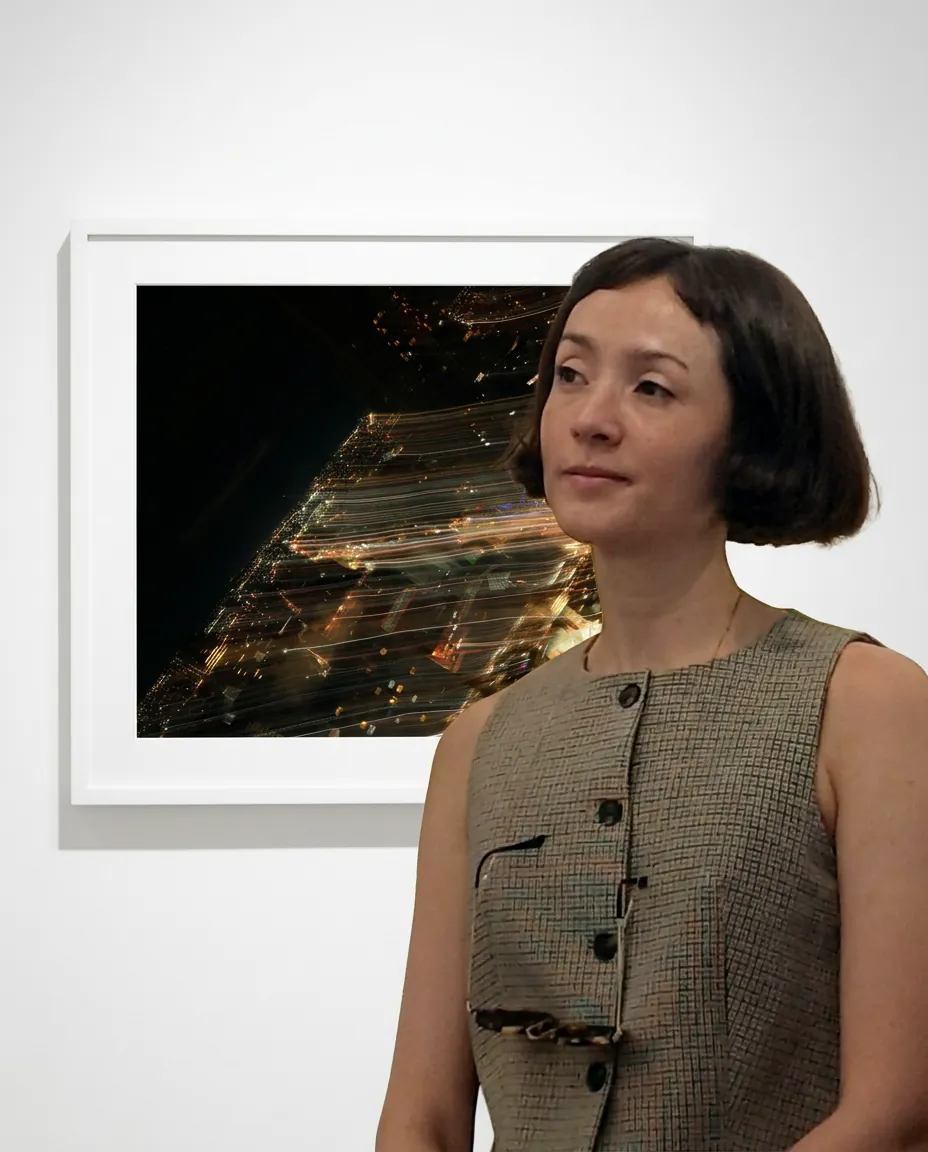
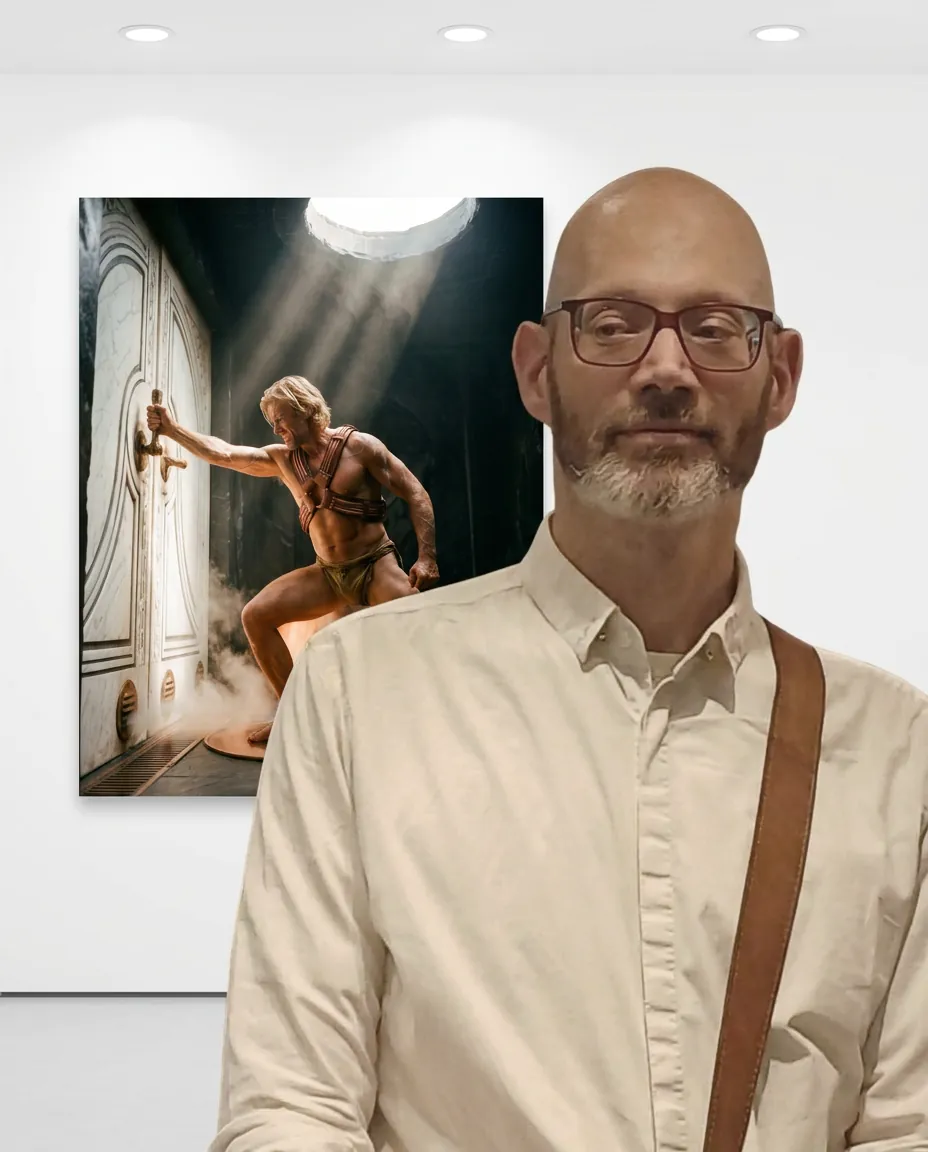
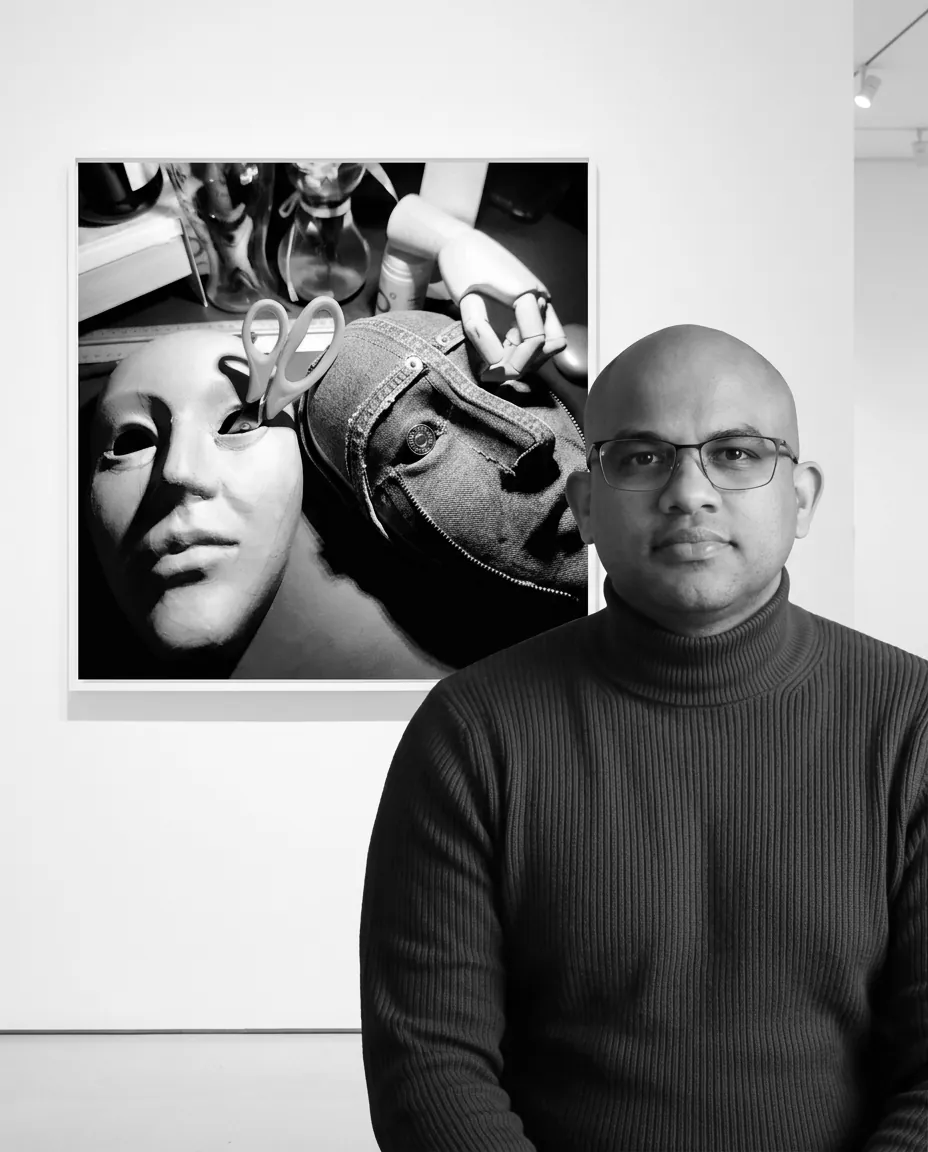
The July edition organized by Zoom’Art Paris Magazine brought together 10 photographers from Colombia, Mexico, the Dominican Republic, Italy, Germany and France, whose works traced an arc from technical tradition (direct observation, analog processes, compositional rigor) to contemporary explorations integrating emerging technologies: advanced digital manipulation, generative AI, hybrid processes and conceptual experimentation. The coherence of the ensemble was not accidental: it resulted from a meticulous curatorial selection, in which each work was integrated into a dialogue articulating temporalities, methodologies and sensibilities. The exhibition demonstrated that photography, two centuries after its accidental birth, remains a critical territory where technique and aesthetics continually rewrite one another.








A bicentennial oriented toward the future
The Bicentennial is not a nostalgic commemoration: it is a platform for imagining the image to come. Photography continues to expand toward new paradigms where light, as in 1826, remains the engine of creation and visual consciousness.