


Norway: five museums where light becomes thought
Art Magazine 49
Norway has shaped its museum landscape as a form of expanded thought. In this country where light is not merely a physical phenomenon but a cultural substance, museums operate as devices for interpreting the world. The relationship between territory, climate, architecture and perception becomes a grammar that structures contemporary experience. Each institution, from Oslo to Svalbard, proposes a distinct way of understanding light: as method, as memory, as inquiry.
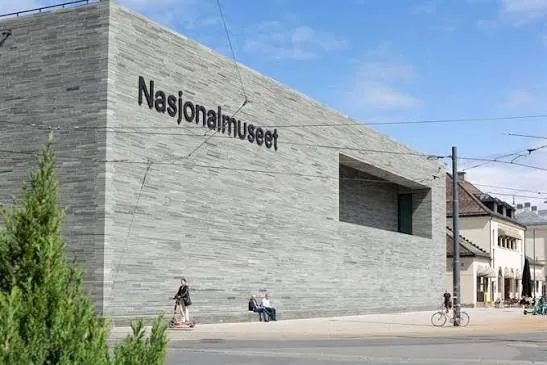
The Nasjonalmuseet, created in 2003 through the merger of five state institutions, represents the most ambitious gesture of Norwegian cultural policy. Its contemporary architecture, heir to the tradition initiated by Christian Heinrich Grosch, does not seek monumentality but clarity: a clarity that organizes the gaze and transforms Northern light into a museological criterion.
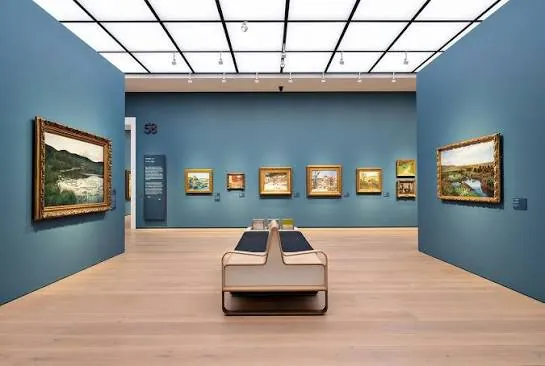
Its galleries present a national collection spanning Edvard Munch, Johan Christian Dahl, Harald Sohlberg, Kitty Kielland, and Scandinavian modern design. These artists are not decorative presences: they are structural. Each work acts as a variation of Norwegian optical sensitivity, where atmosphere becomes part of the composition. The museum operates as a laboratory of perception where light does not illuminate: it reveals.
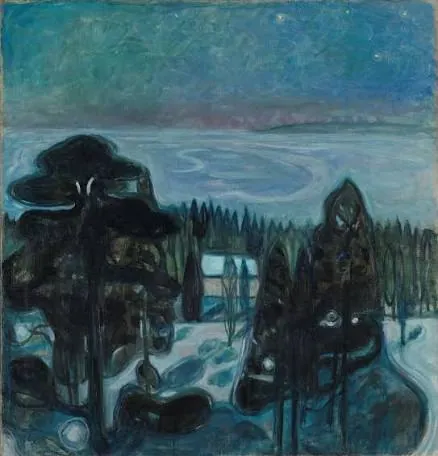
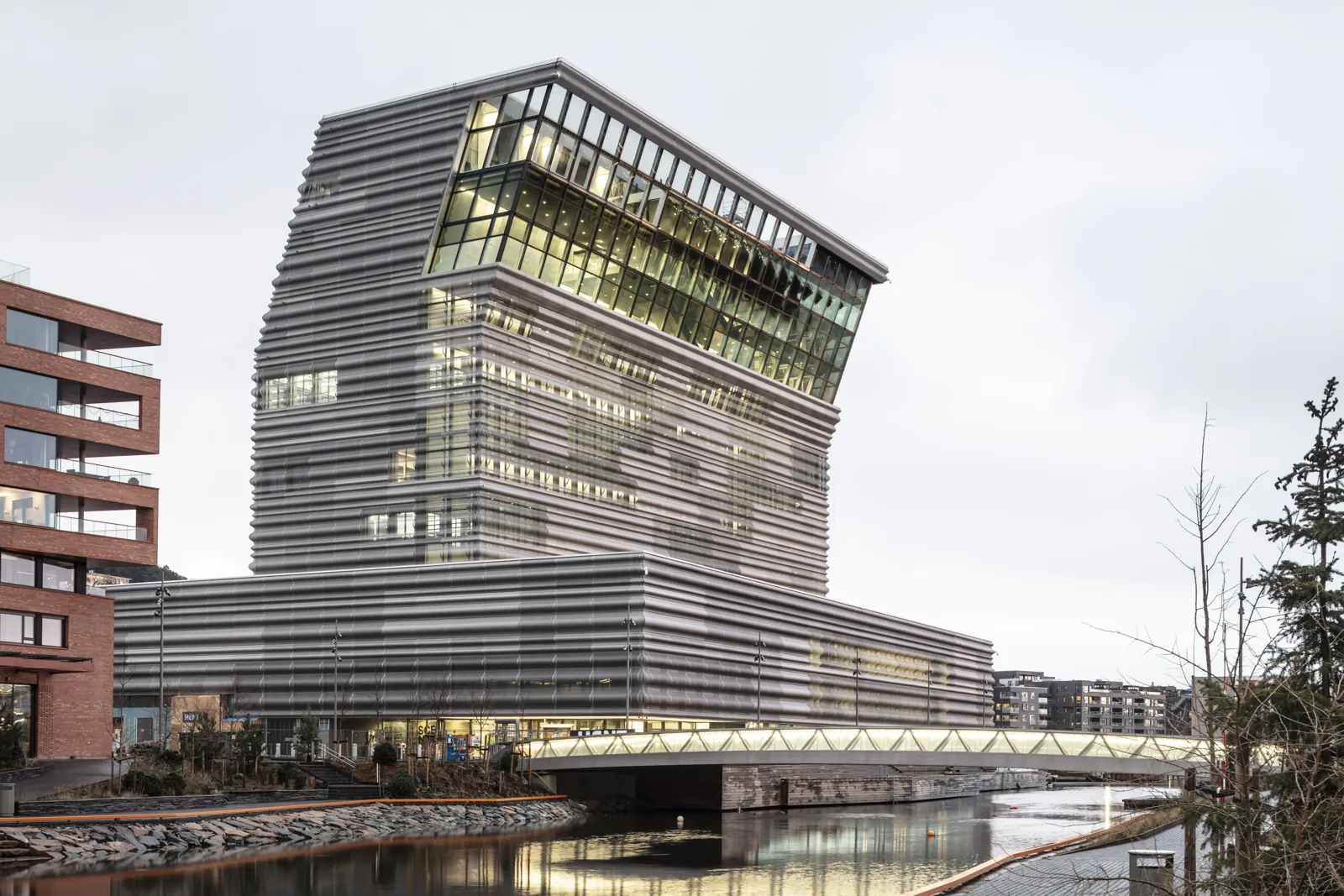
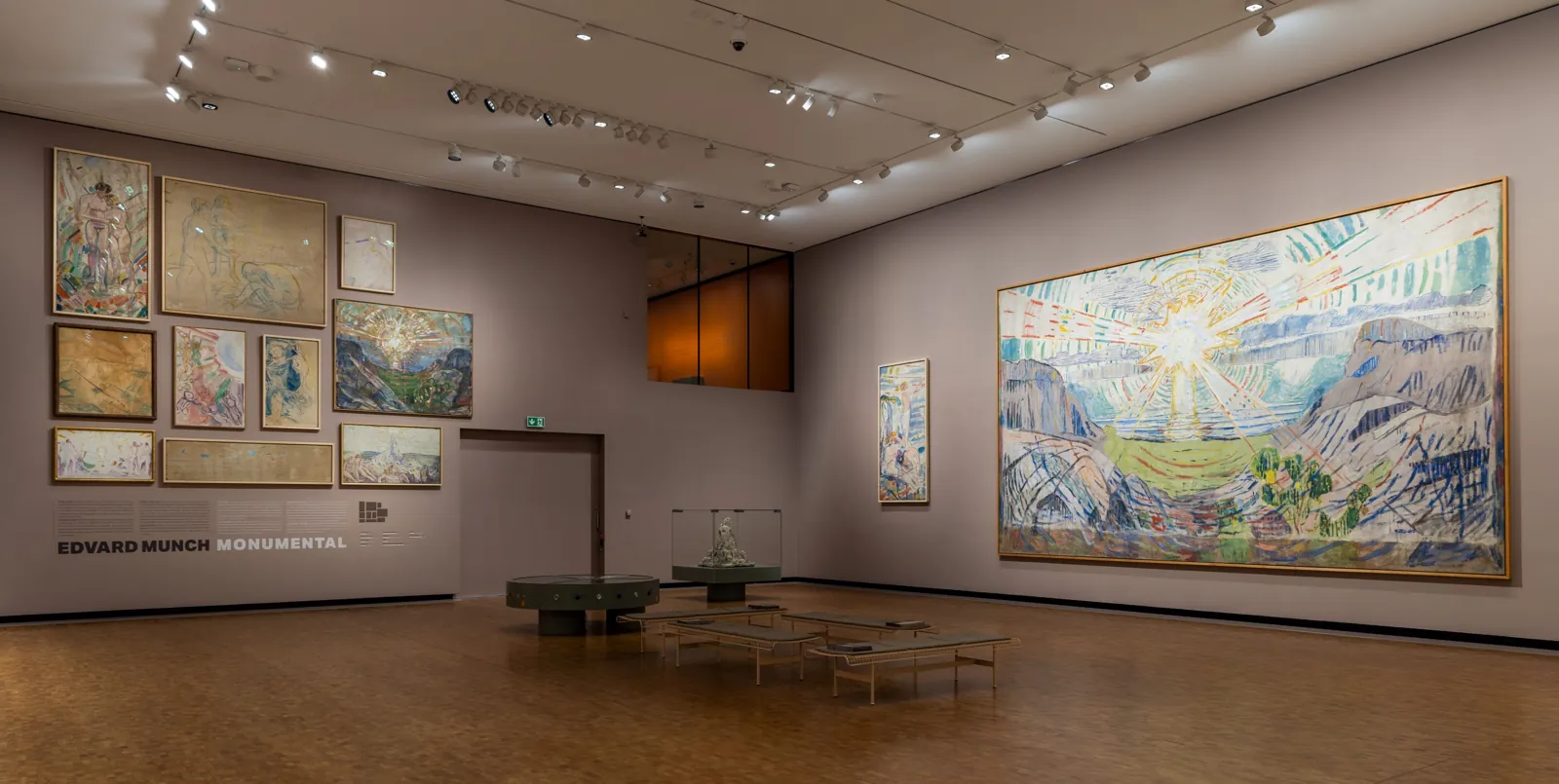
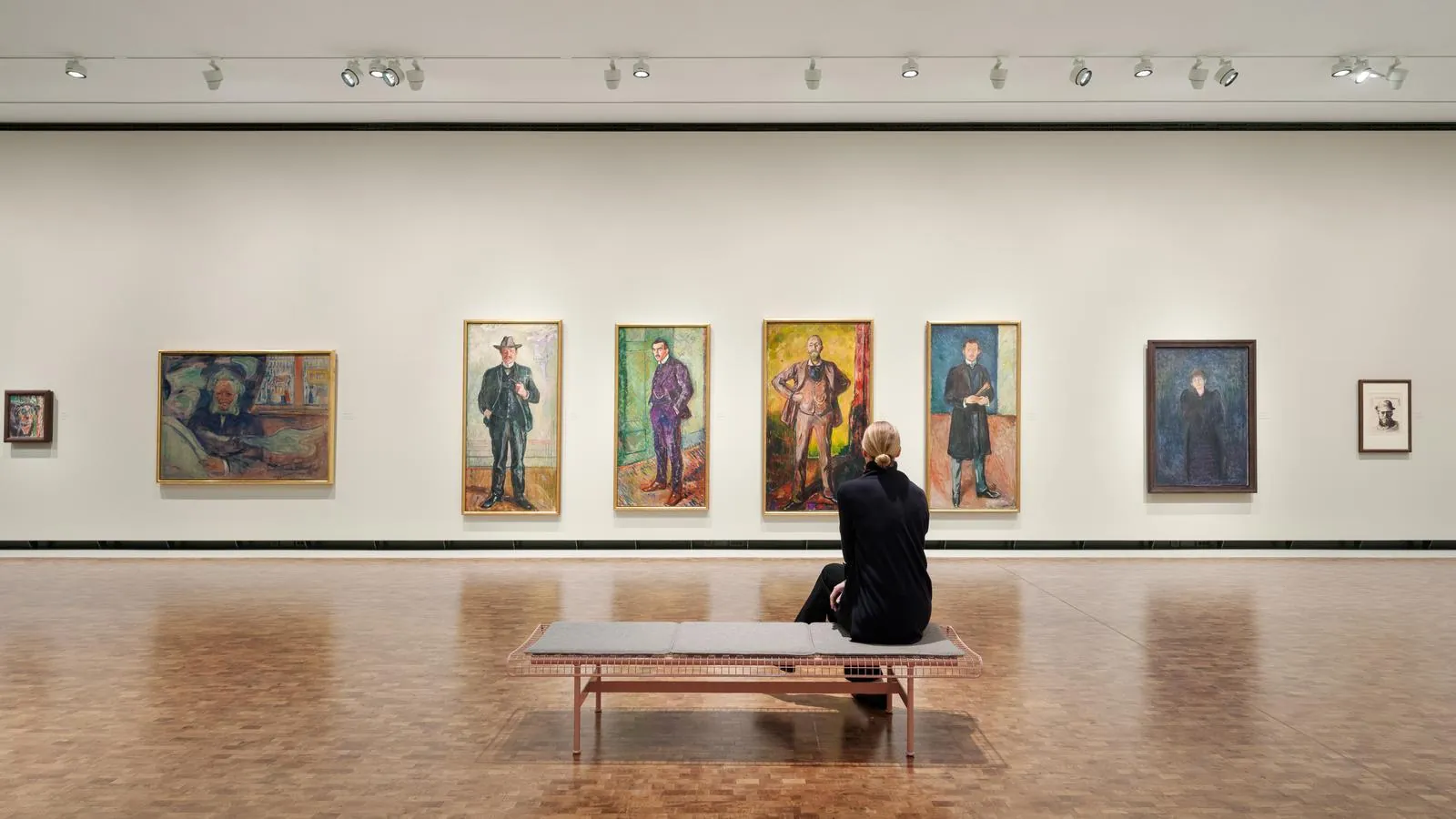
By the fjord, the MUNCH museum embodies a more intimate dimension: the psychology of light. The radical donation of Edvard Munch, more than 26,000 works given to the city of Oslo, required imagining a building capable of containing not only an oeuvre but an entire life. Lambda, designed by estudioHerreros, is a vertical tower that filters light like an optical instrument.
Although dedicated almost entirely to Munch, the museum has hosted exhibitions by international contemporary artists such as Tracey Emin, Bjarne Melgaard, Marina Abramović, Ragnar Kjartansson, expanding the dialogue between modern anxiety and contemporary sensibility. Its research programs on pigments, conservation and neuroperception place the institution at the frontier between art and science. In Oslo, light becomes introspection.
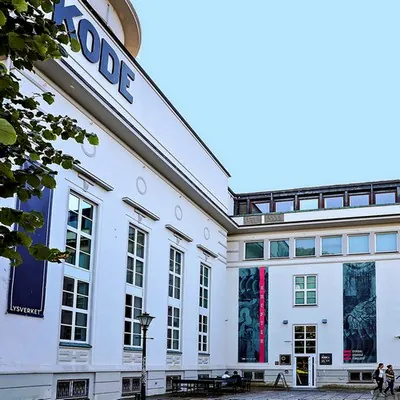
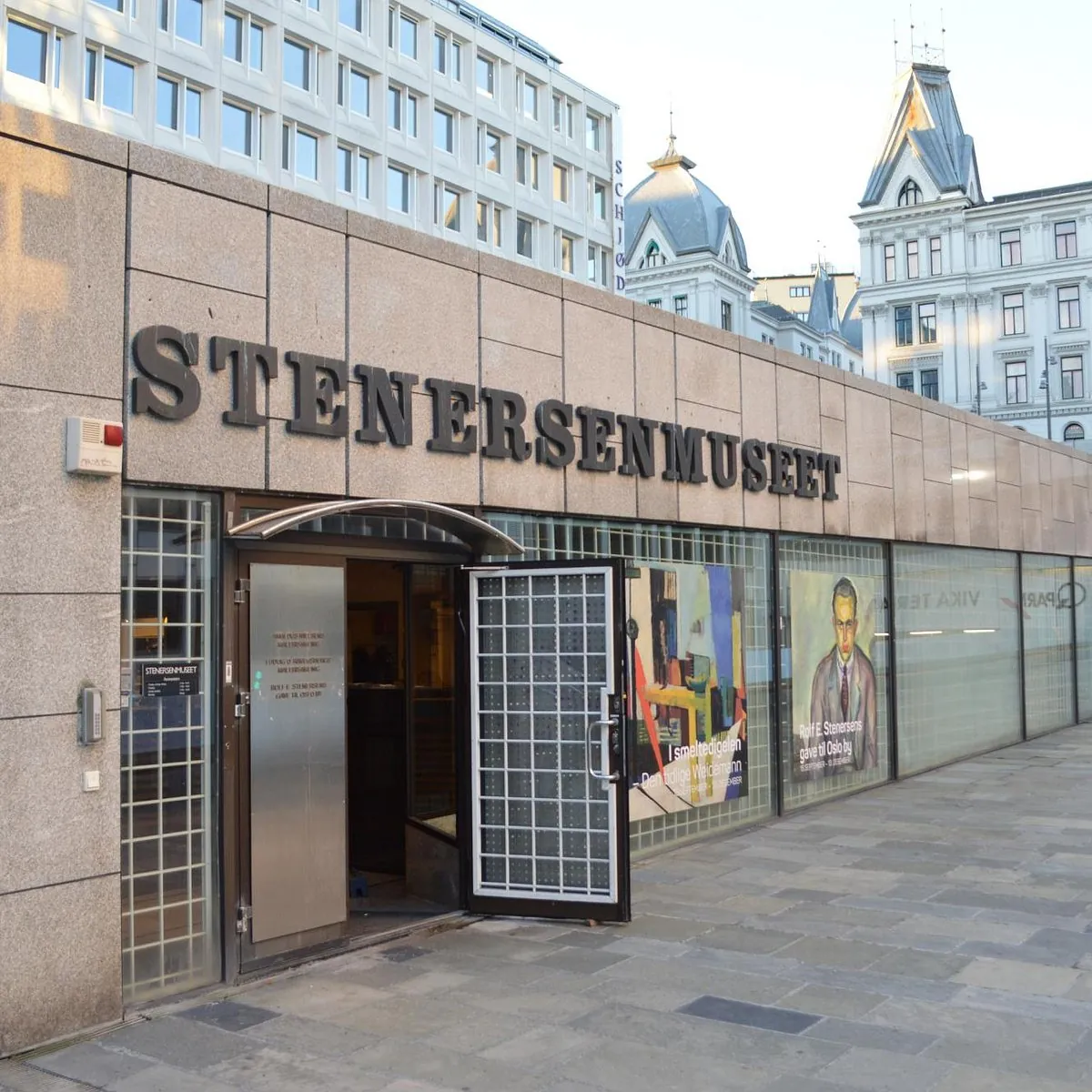
In Bergen, KODE unfolds a constellation of buildings narrating the country’s cultural history from the nineteenth century to the present. Its current identity rests on an alliance between the municipality and private collectors, especially Rolf Stenersen, whose donation transformed the museum into an international node.
The Stenersen collection includes works by Pablo Picasso, Paul Klee, Helene Schjerfbeck, Victor Vasarely, Sonia Delaunay, Asger Jorn, Corneille, Käthe Kollwitz: a constellation that places KODE in direct dialogue with European modernity.
The Stenersen building, designed by Sverre Lied in 1978, is a key piece of Norwegian museum architecture. KODE also incorporates the homes of composers Edvard Grieg, Ole Bull, Harald Sæverud, where music and territory merge into a single aesthetic experience. In Bergen, Atlantic light becomes curatorial poetics.
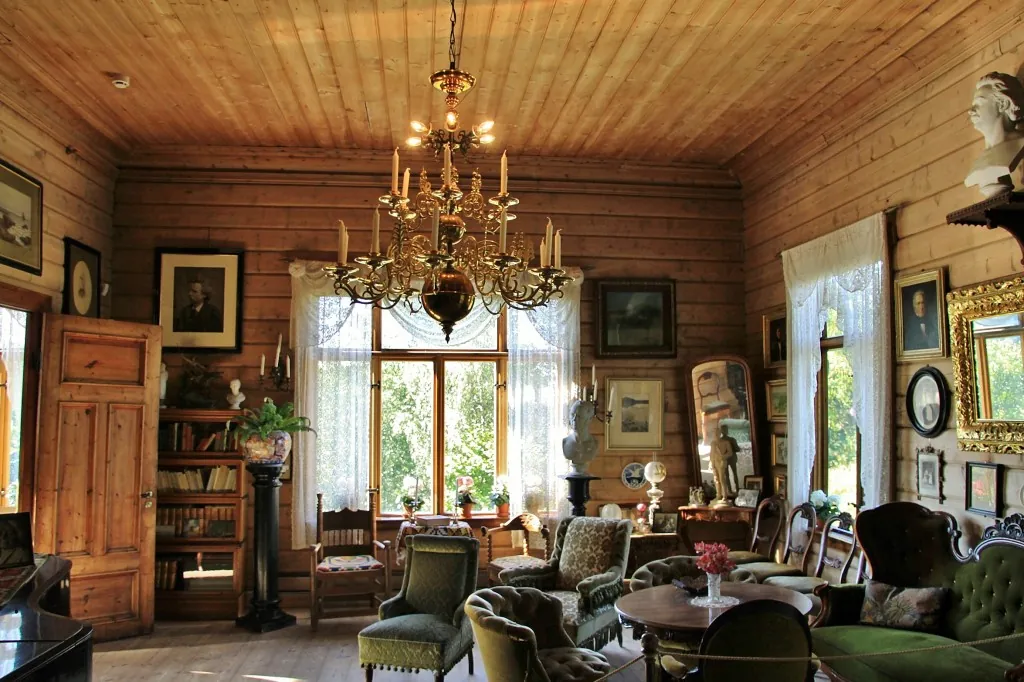
Further north, where light becomes polar and the horizon fractures into minimal intensities, the Nordnorsk Kunstmuseum redefines the relationship between art and geography. Founded in 1985 with support from the Arts Council Norway, the University of Tromsø and the National Gallery, the museum is fully funded by the state.
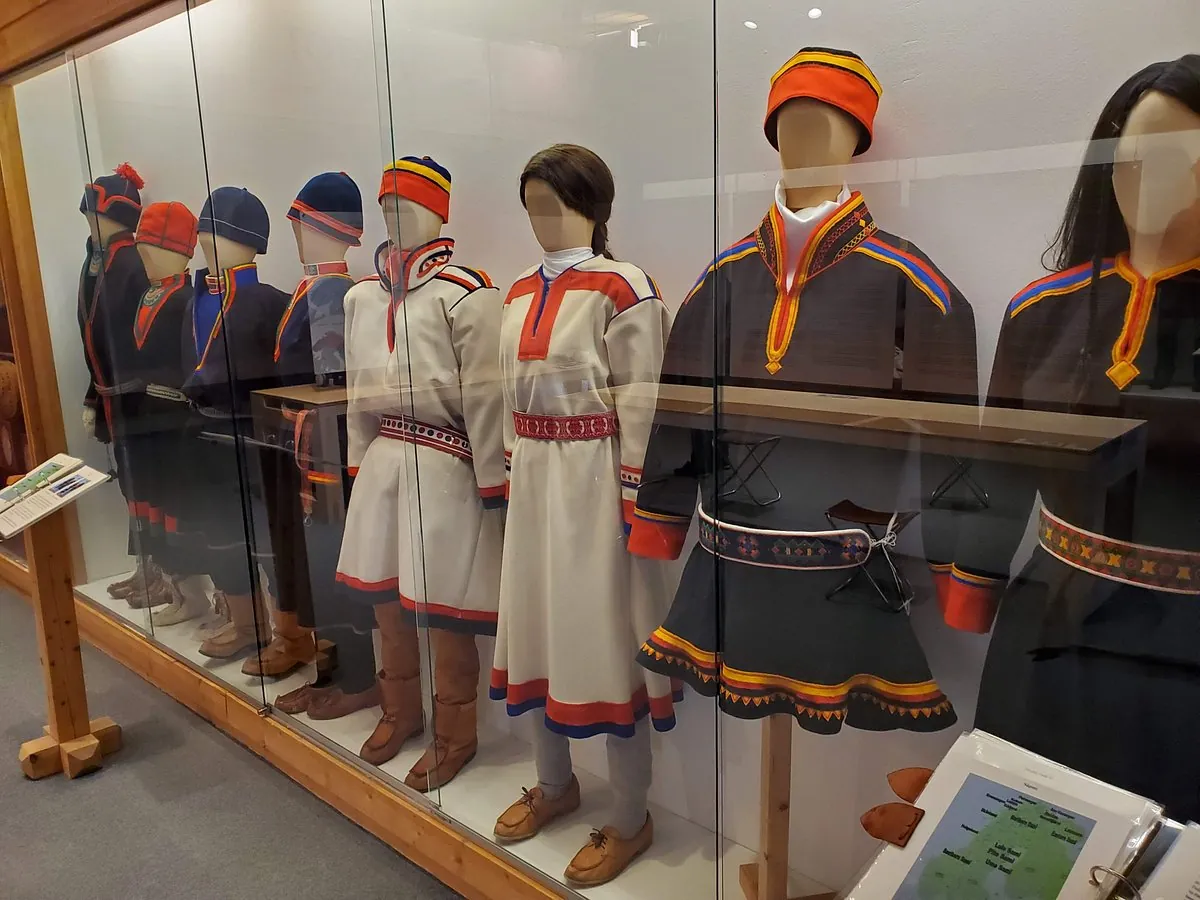
Its collection includes works by Peder Balke, Anna-Eva Bergman, Iver Jåks (a central figure in Sámi art), Hannah Ryggen, Håkon Bleken, and contemporary artists from the Arctic North.
Its building, designed in 1917 by Søren Andreas Wiese‑Opsahl, was originally a post and telegraph office: a place where communication was a physical act. Today it functions as a cultural observatory of the Arctic, where perception becomes geopolitical.
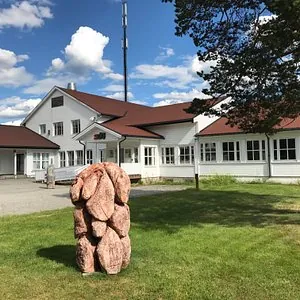
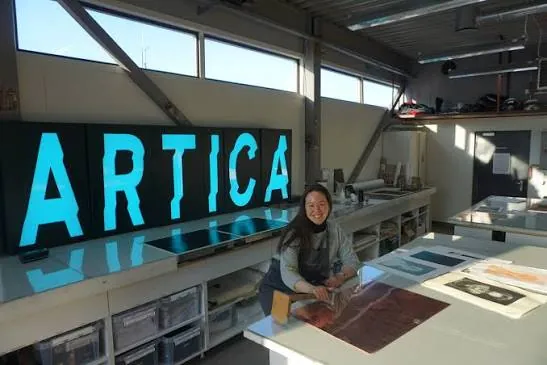
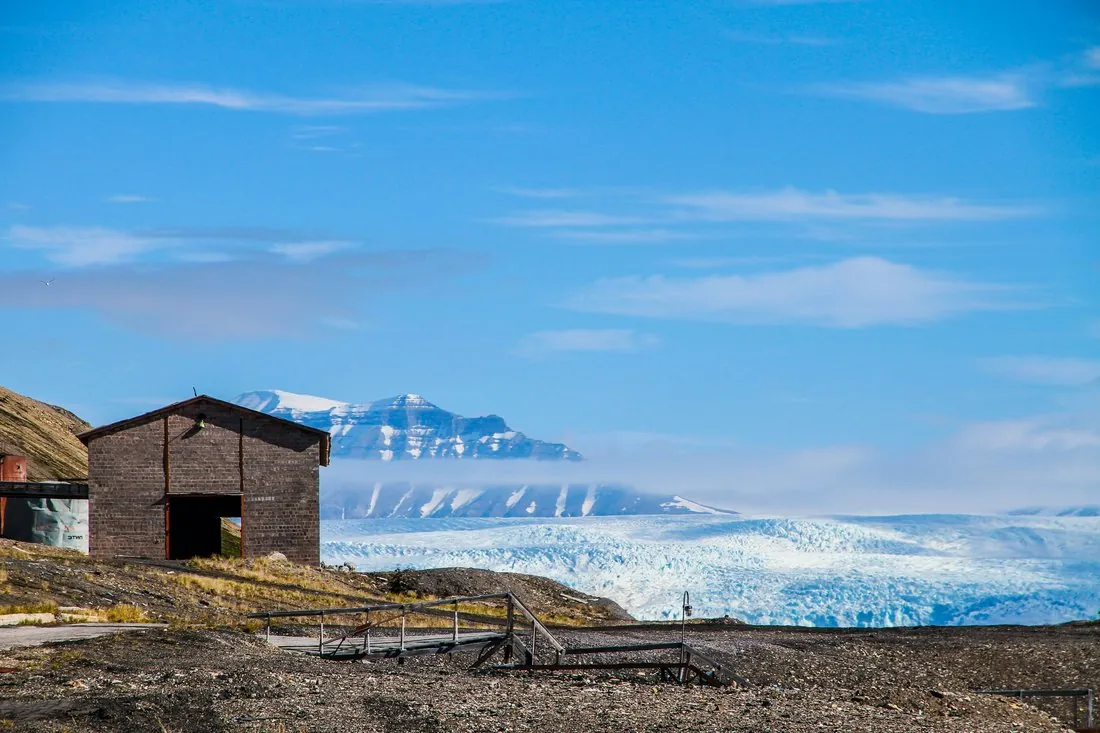
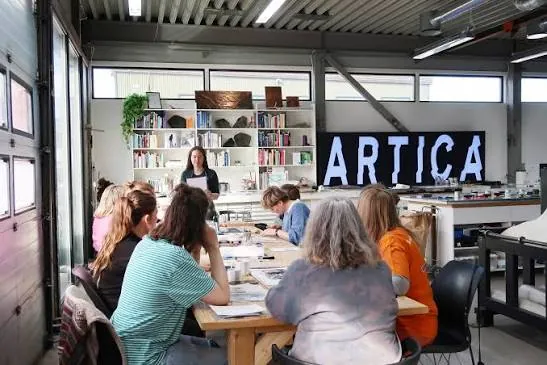
And beyond the continent, in Svalbard, Artica Svalbard pushes the idea of the museum to its limit. It is not a museum in the classical sense but a foundation created in 2016 by the Ministry of Culture, the Fritt Ord Foundation and the Sparebank1 Nord‑Norge Cultural Business Development Foundation.
Its mission is to produce thought in the Arctic: artistic residencies, research, writing, debates on climate, geopolitics and migration. Among its residents are Maritea Dæhlin, Nabil Ahmed, Grace Ndiritu, Helene Sommer, Joar Nango (internationally recognized Sámi architect and artist), as well as climate and Arctic geopolitics researchers.
Svalbard does not offer a landscape: it offers a question. And that question redefines the relationship between art and world.
Together, these museums compose an intellectual cartography where light is method, territory argument and thought the contemporary form of culture. Norway does not exhibit works: it exhibits ways of seeing. And in that vision, deeply linked to nature, architecture and research, emerges one of Europe’s most coherent, radical and quietly powerful museological propositions.