

Morisot, Cassatt, Gonzalès, Bracquemond: the women who reinvented Impressionism
Art Magazine 49
A modernity born where no one expected it
The traditional narrative of Impressionism has long privileged its male figures, consolidating a canon that obscured the decisive contribution of women. Yet nineteenth‑century pictorial modernity cannot be understood without the intellectual and aesthetic agency of Berthe Morisot, Mary Cassatt, Eva Gonzalès and Marie Bracquemond. They were not mere “participants” in the movement: they were epistemic agents who shifted the axis of representation toward territories where light, intimacy and perception acquired unprecedented depth. Their work does not complement Impressionism; it reconfigures it.
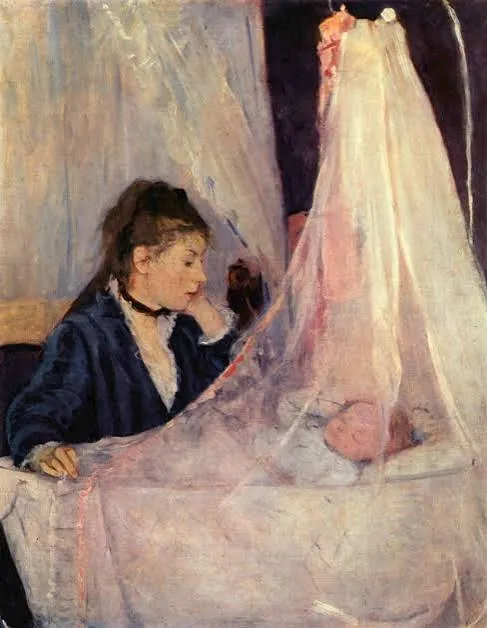
Morisot: light as cognitive structure
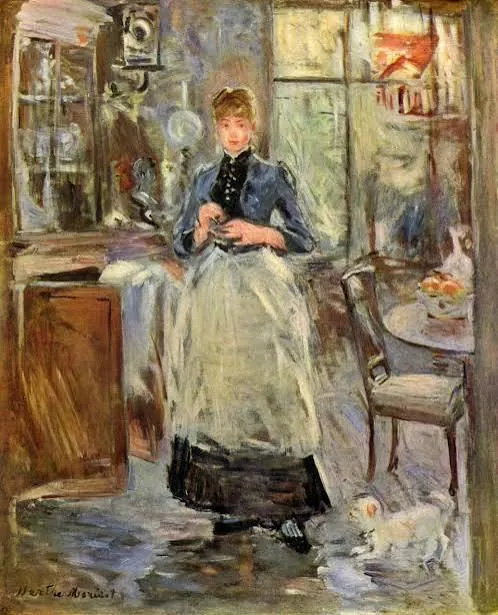
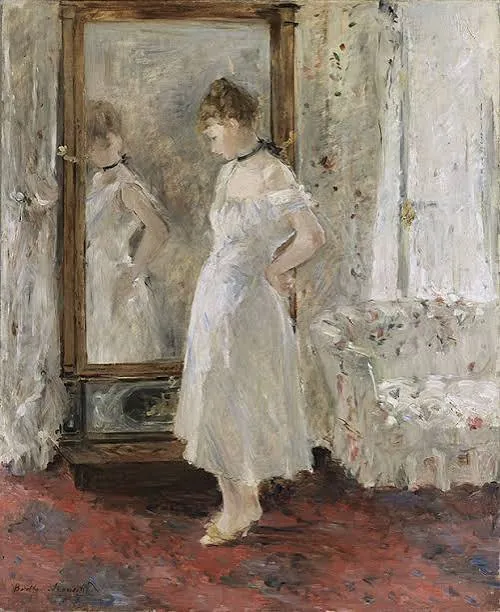
Morisot’s painting goes beyond atmospheric vibration. Her brushwork, which seems to register the inner pulse of the moment, transforms light into a system of thought. In her work, perception becomes an active, almost physiological phenomenon. Morisot inaugurates a modernity in which seeing is no longer passive but a form of consciousness.
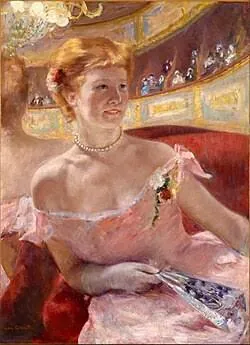
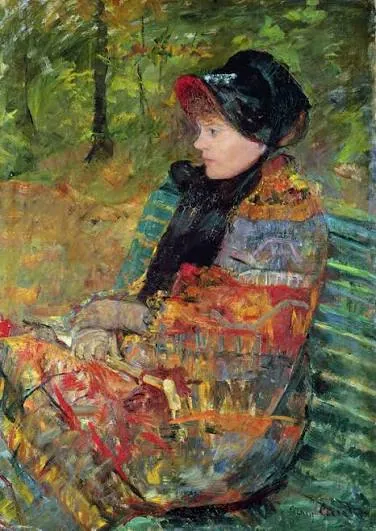
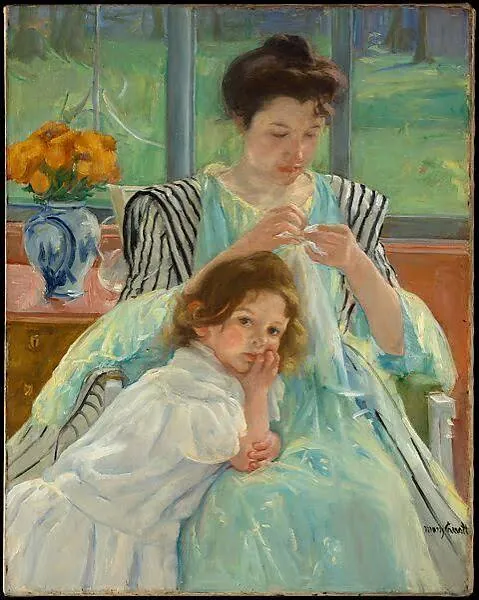
Cassatt: intimacy as critique of visual power
Cassatt introduces a silent revolution: intimacy as a political space. Her compositions, marked by rigorous geometric architecture, dismantle the dominant male gaze and propose an autonomous subjectivity. Childhood, motherhood and domestic life become laboratories of formal and conceptual experimentation.
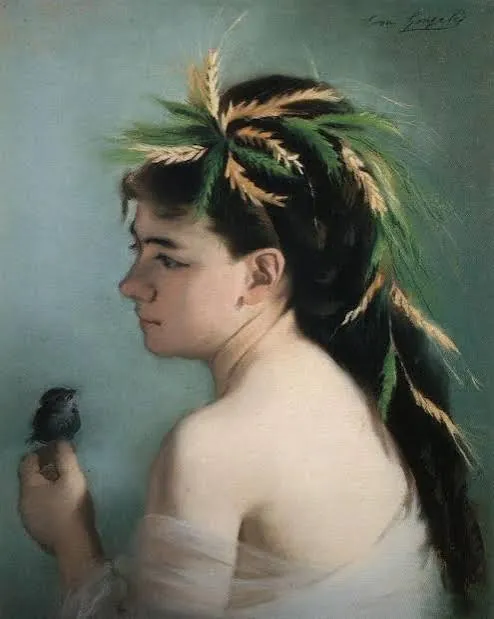
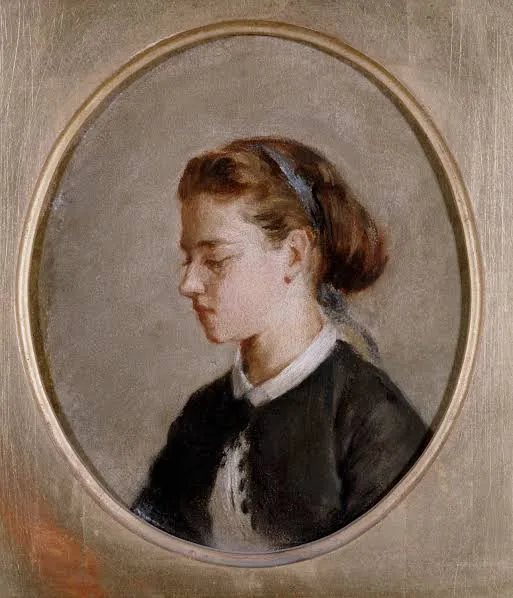
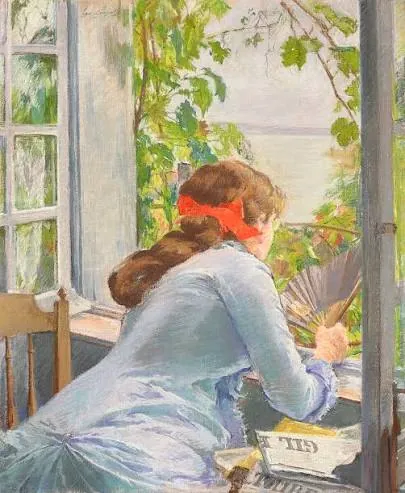
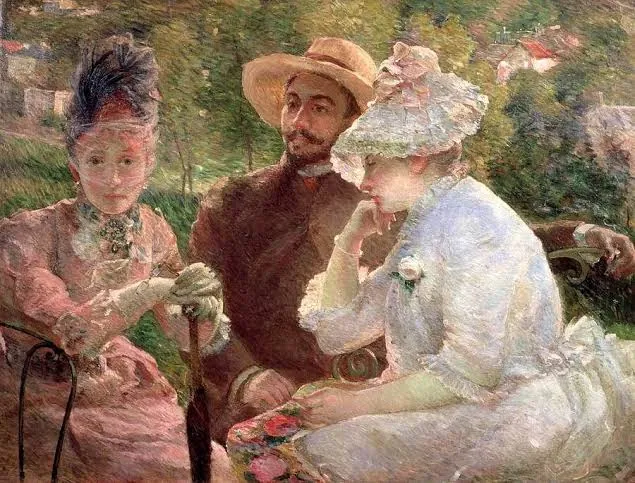
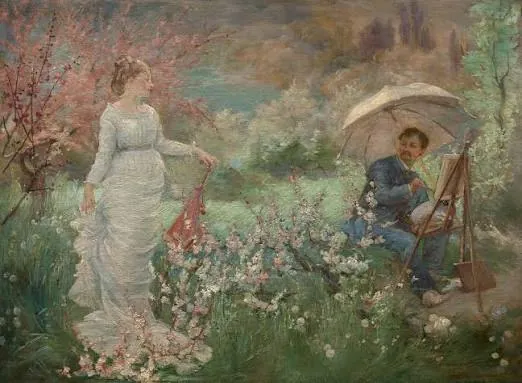
Gonzalès and Bracquemond: tension between discipline and rupture
Gonzalès, trained under Manet, articulates a dialectic between academicism and modernity that reveals the critical transition of the nineteenth century. Bracquemond pushes chromatic audacity into a territory that anticipates twentieth‑century sensibilities.
Legacy for the present: expanding genealogies
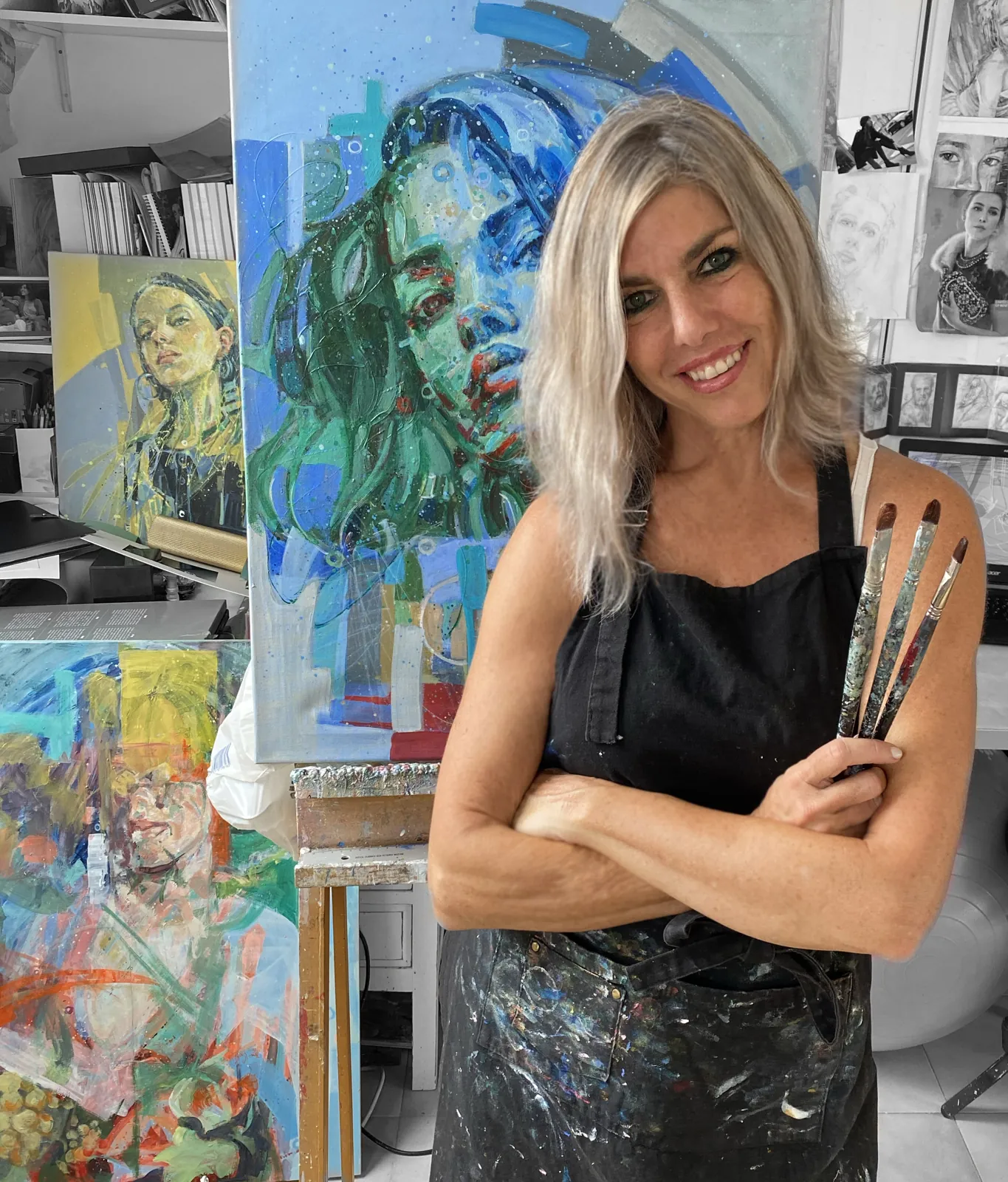
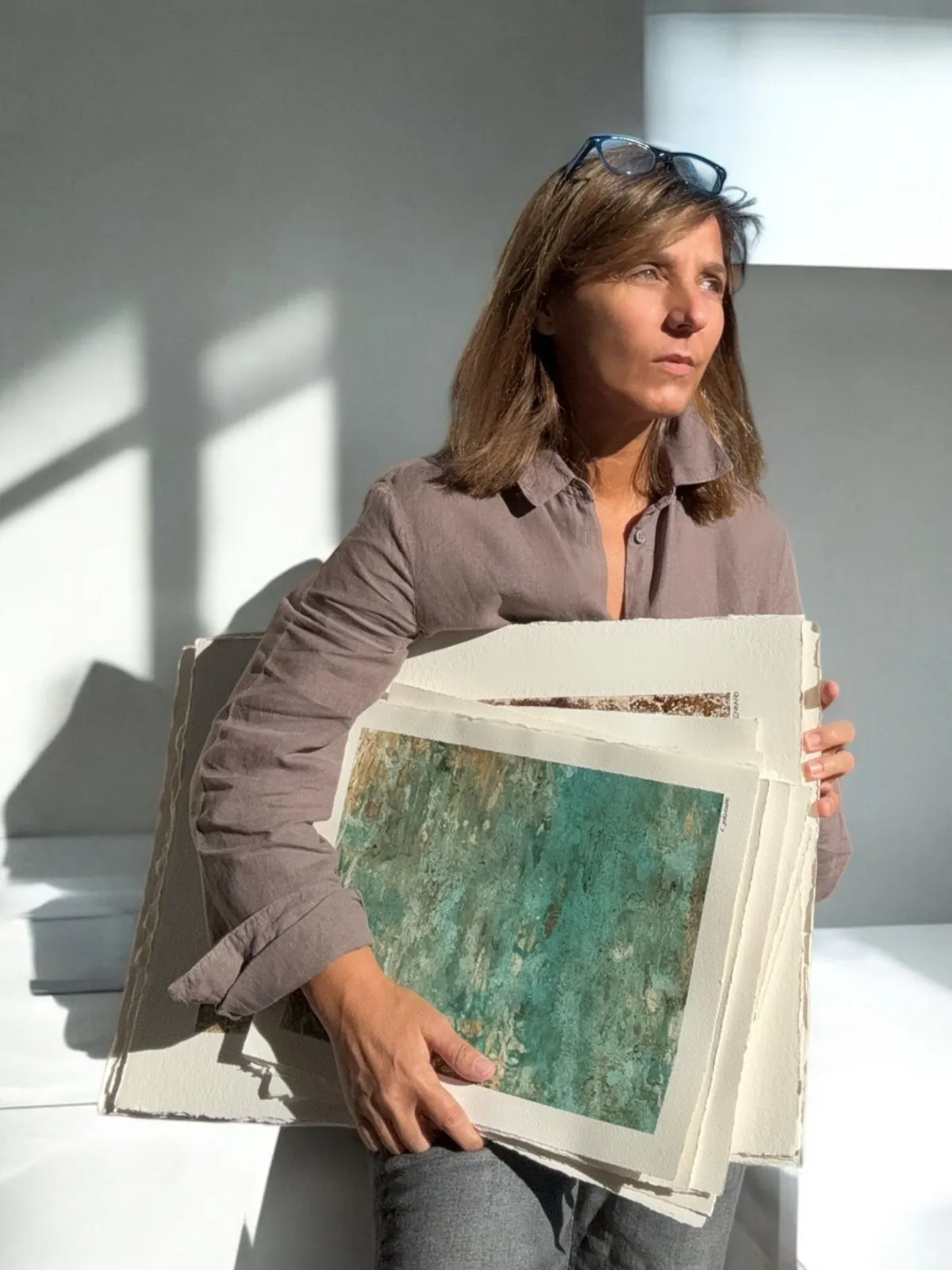
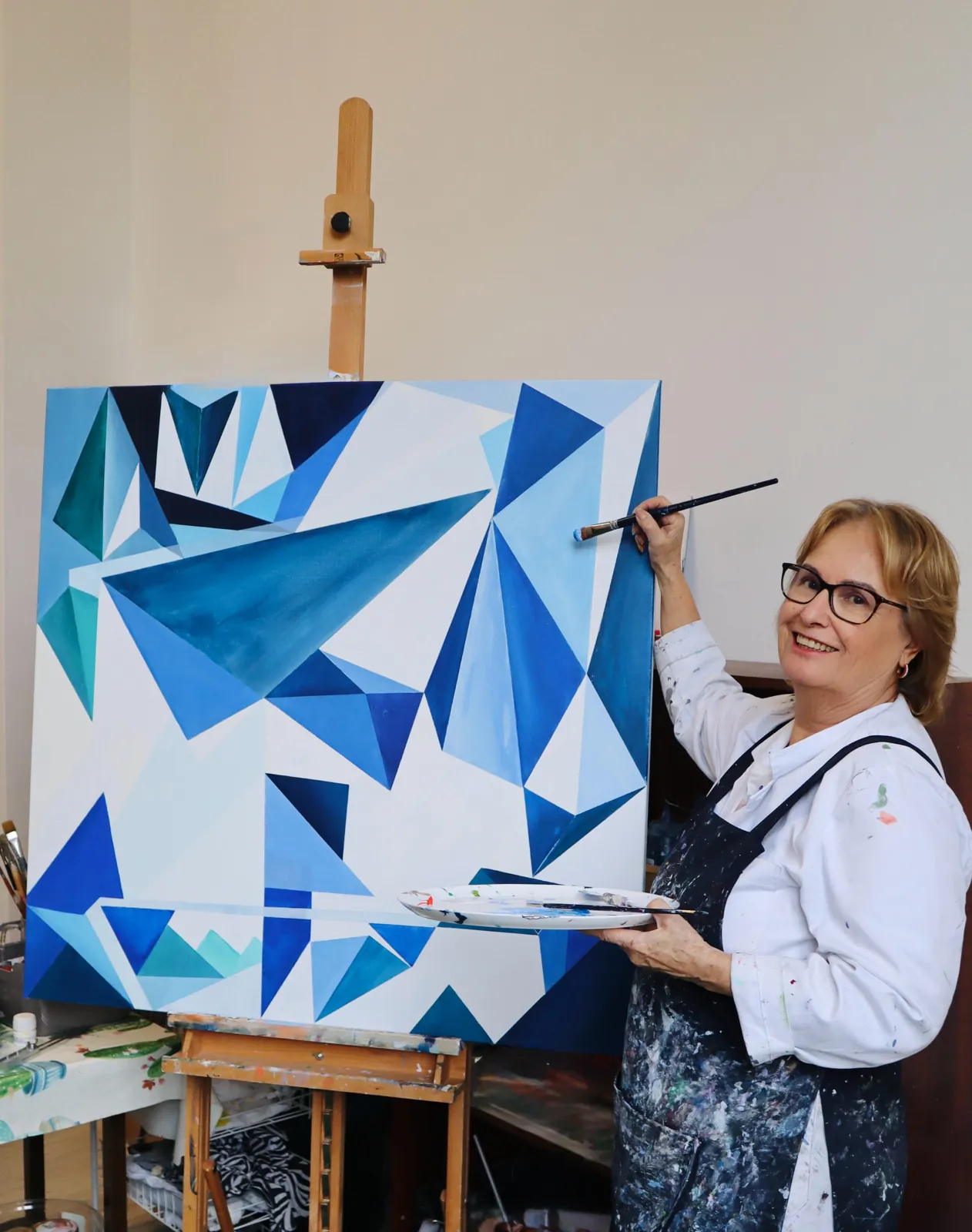
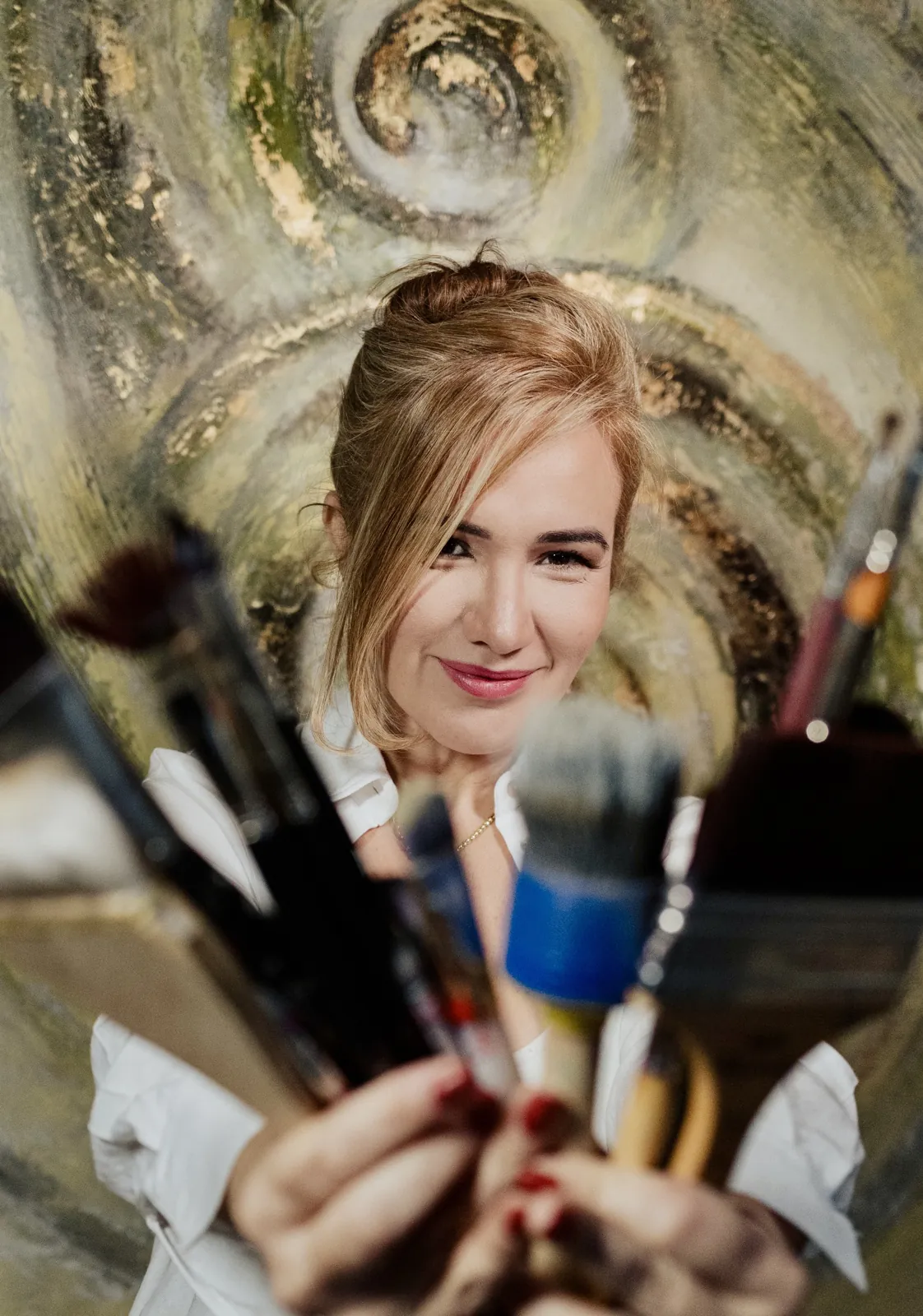
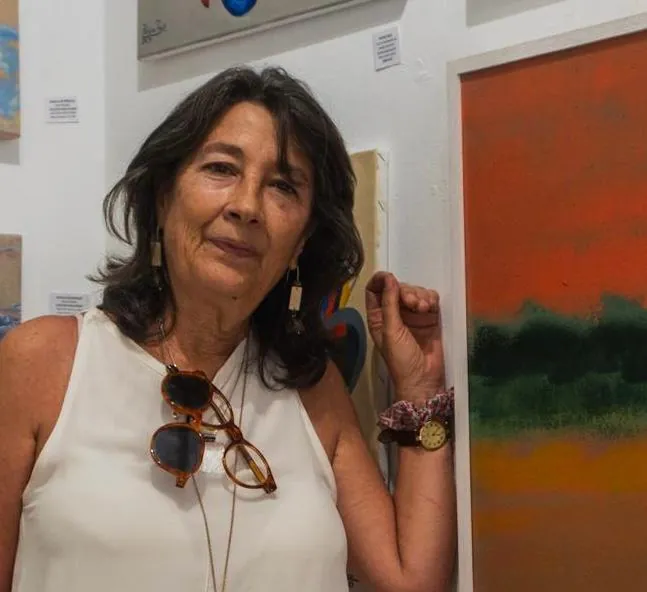
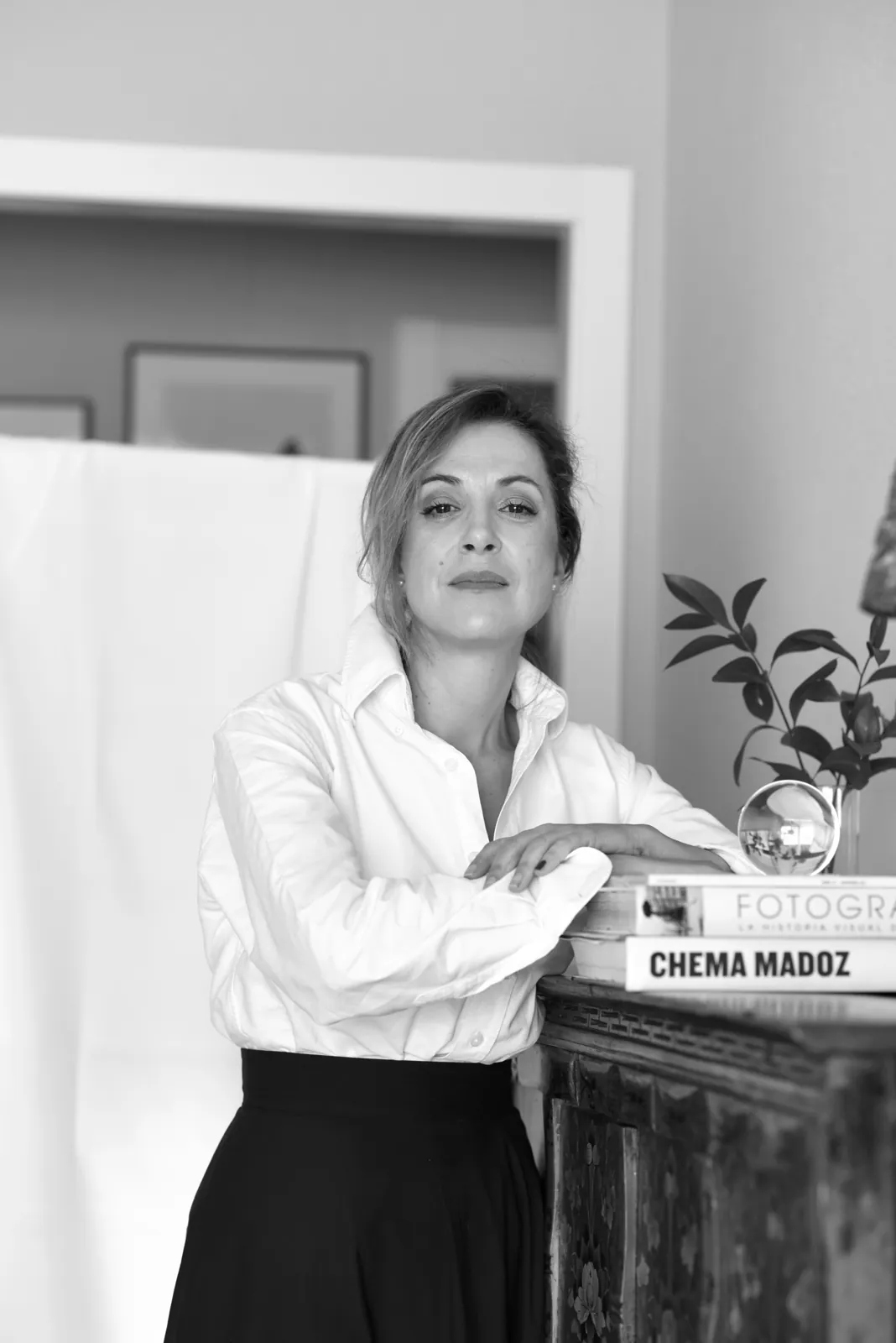
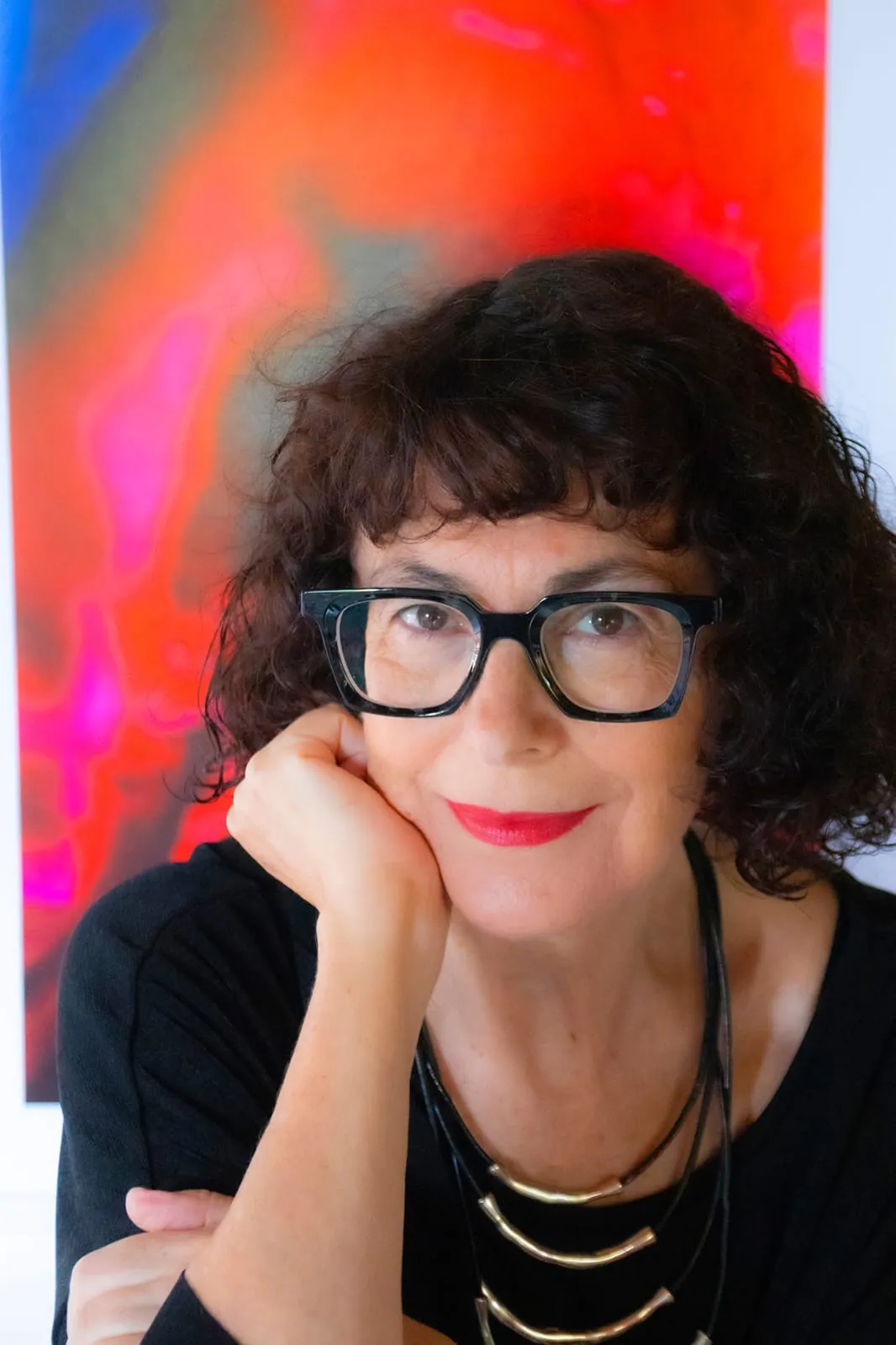
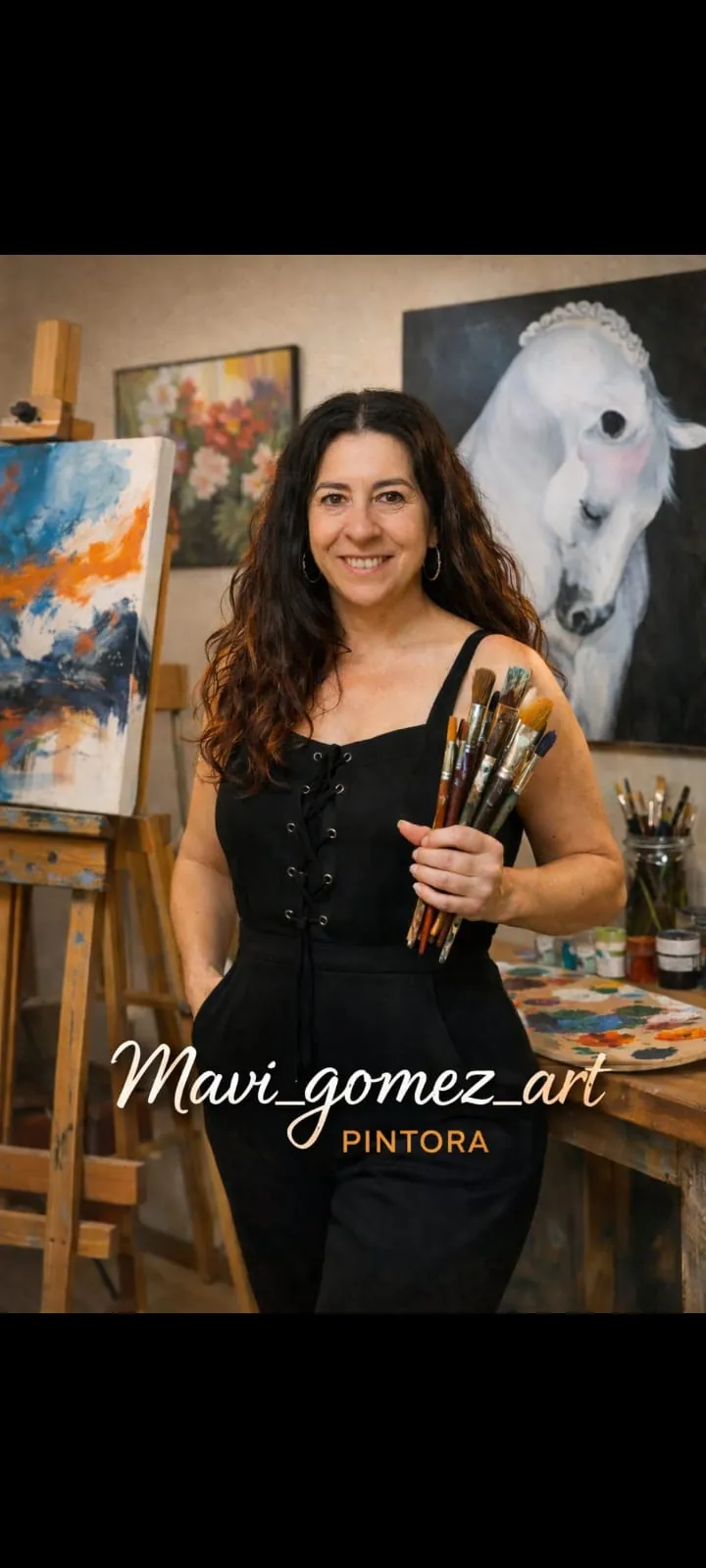
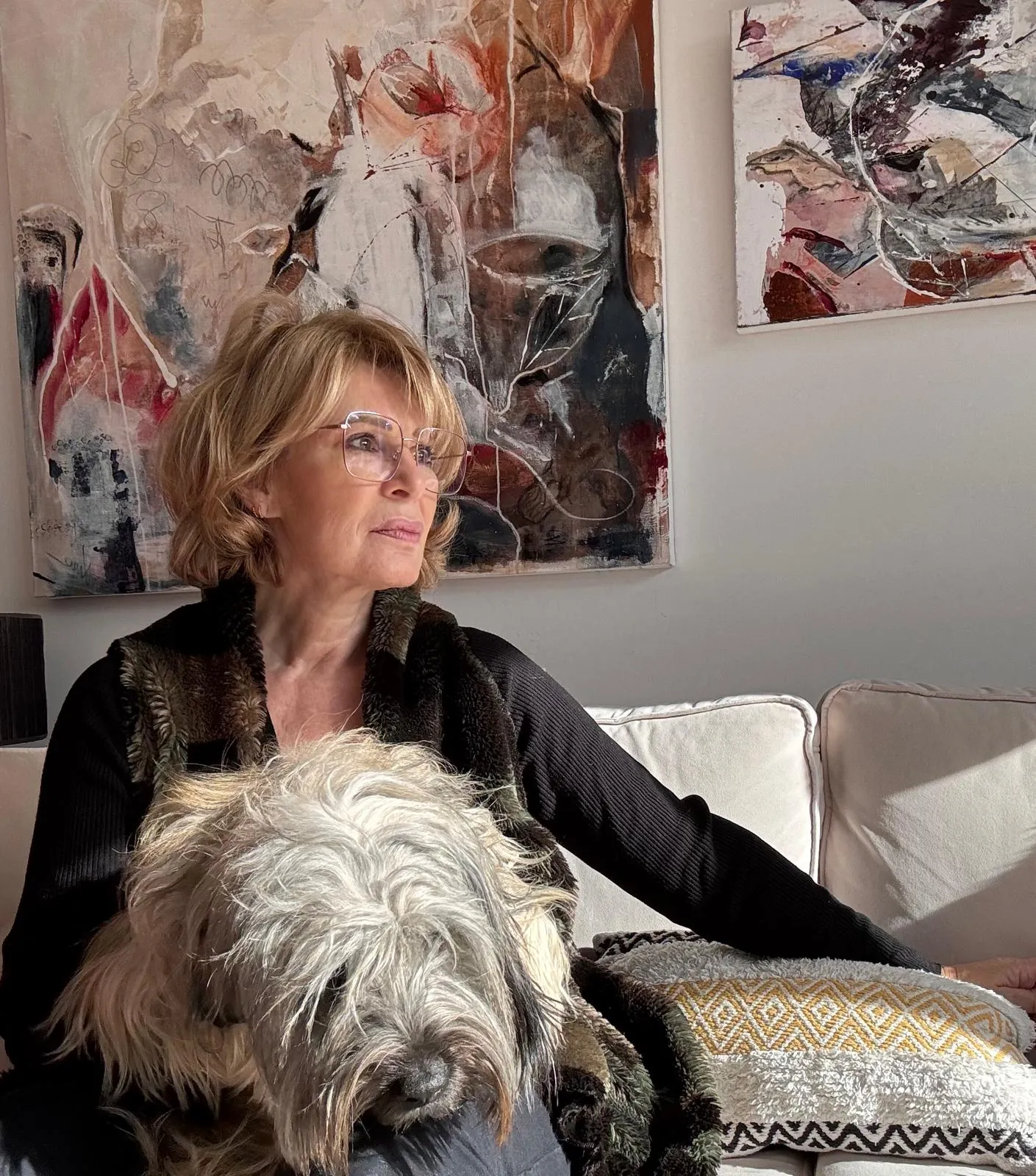
The exhibition La lumière du féminin, presented in March, extends this lineage into a contemporary framework. Since 2018, Zoom’Art Paris Magazine has built a space of thought and visibility for women’s artistic creation through opinion gatherings, curatorial dialogues, artist reunions and activities that have shaped an international critical community. This trajectory culminated in the Paris exhibition featuring 24 artists from Belgium, the Philippines, Spain, Russia and France, offering a visual cartography that articulates tradition, experimentation and aesthetic consciousness. Their presence confirms that art history is a living fabric, expanded by perspectives that, like those of the Impressionists, illuminate from within and continue to transform contemporary perception.