


Heritage and Culture Made into Jewelry
Art Magazine 50
From Quito to the French capital, Bárbara Luna directs a high goldsmithing project in which precious metal and gemstones operate as mediums for archaeological research, heritage publishing, and wearable sculpture.
In the history of the applied arts, few traditions possess a symbolic density as profound as the pre-Hispanic goldsmithing of the northern Andes. From Ecuador, Maison Flor de la Vida, under the executive and creative direction of Bárbara Luna, reclaims this millennia-old lineage to inscribe it within the contemporary landscape of international high jewelry. Far from conceiving the jewel as mere sumptuary ornament, the Ecuadorian house approaches it as a micro-sculpture where the rigorous observation of the biodiversity across its four natural regions (the Andes, the coast, the Amazon, and the Galápagos archipelago) converges with the material memory of its Indigenous civilizations.
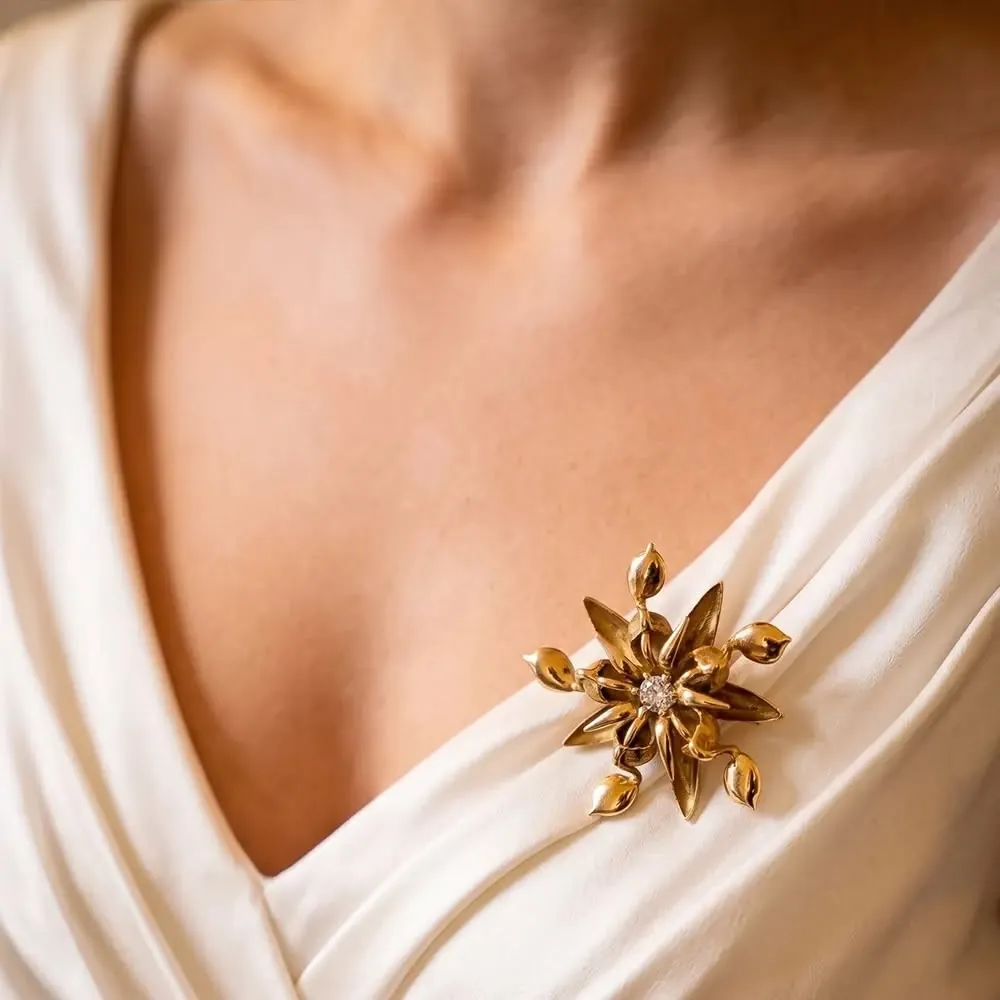
"France possesses centuries of tradition and great houses that have codified the history of high jewelry; Ecuador brings a distinct perspective, rooted in a geography of extraordinary biodiversity," states Luna. Without seeking to emulate the canons of Place Vendôme, her curatorial approach aims to expand the visual vocabulary of the craft from an authentic standpoint: "Quito does not need to become Paris. The true challenge lies in making what sets us apart legible and contributing a creative language with its own roots to the international dialogue."
Between Digital Drafting and Workshop Alchemy
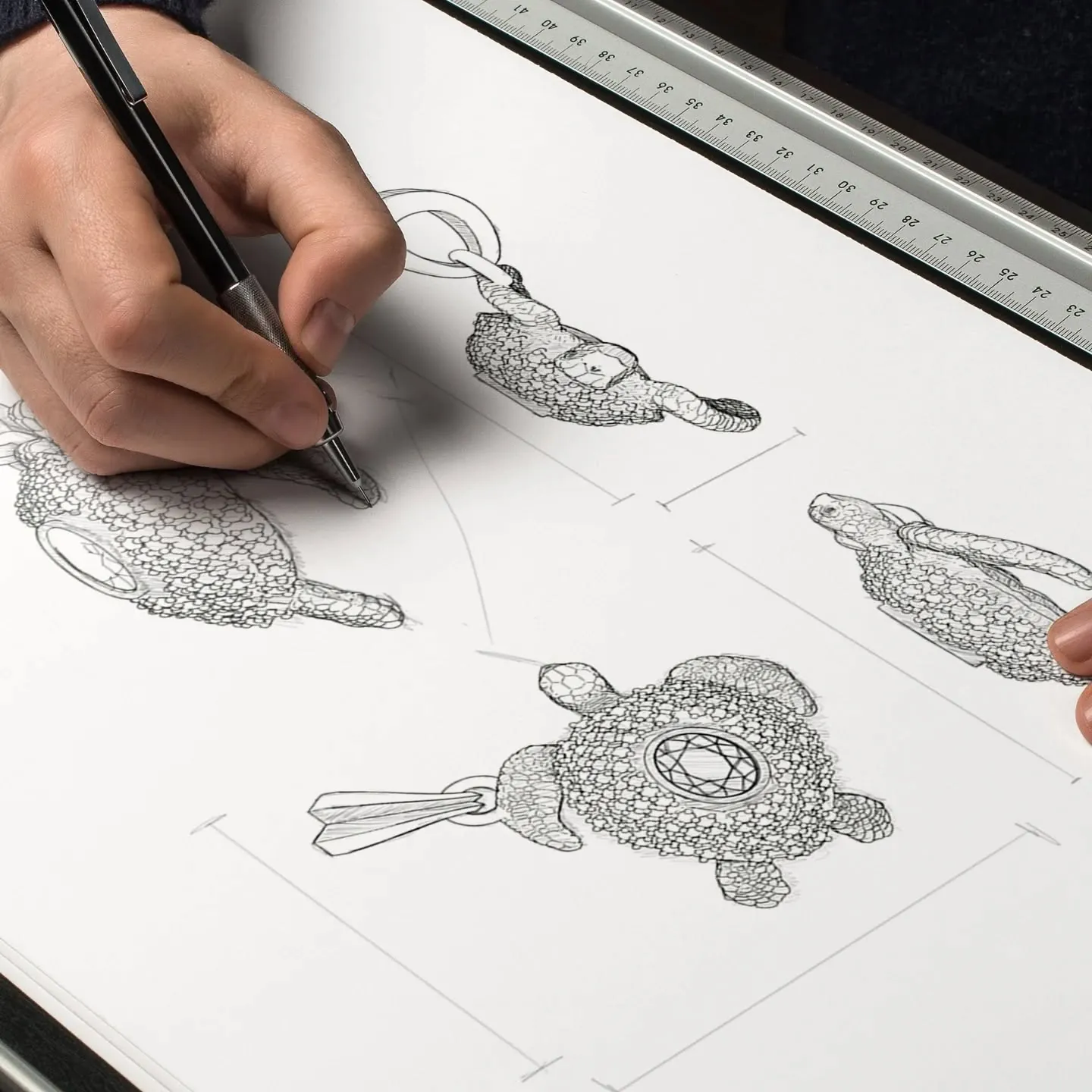
The maison’s creative process articulates the contemporary precision of three-dimensional modeling, valuable for studying the intricate botanical geometries of native species such as the cacao flower, with the irreplaceable discipline of traditional goldsmithing. For its director, the boundary between technological tool and work of art is unmistakable: "Setting a stone, chasing, polishing, and executing the final adjustments demand the tactile sensitivity of the master goldsmith. Technology must stop precisely where the craft begins; it is through this manual intervention that a form conceived on a screen acquires density and permanence."
The Jewel as a Living Archive: Archaeology and Publishing
What grants Maison Flor de la Vida a singular standing within contemporary Latin American creation is its vocation as a center for cultural research and dissemination. Through its publishing imprint and environmental conservation programs, the institution champions museum-grade publications dedicated to documenting fundamental milestones of Ecuadorian heritage. Notable among these are the investigations surrounding the Mayo-Chinchipe culture, whose archaeological remains in the upper Amazon attest to the domestication and ritual use of cacao over five thousand three hundred years ago.
In this way, each collection builds a direct bridge between archaeological discovery, the art book, and the goldsmith’s piece. For Bárbara Luna, the enduring value of a creation resides precisely in this historical depth: "A piece reaches its true dimension when it safeguards a memory and succeeds in transmitting, through matter, the essence of a territory and a culture to future generations."
About the Maison and its Director
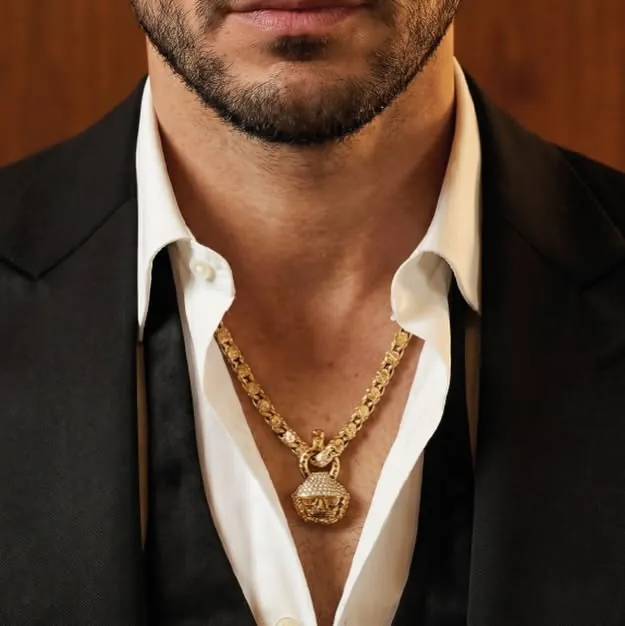
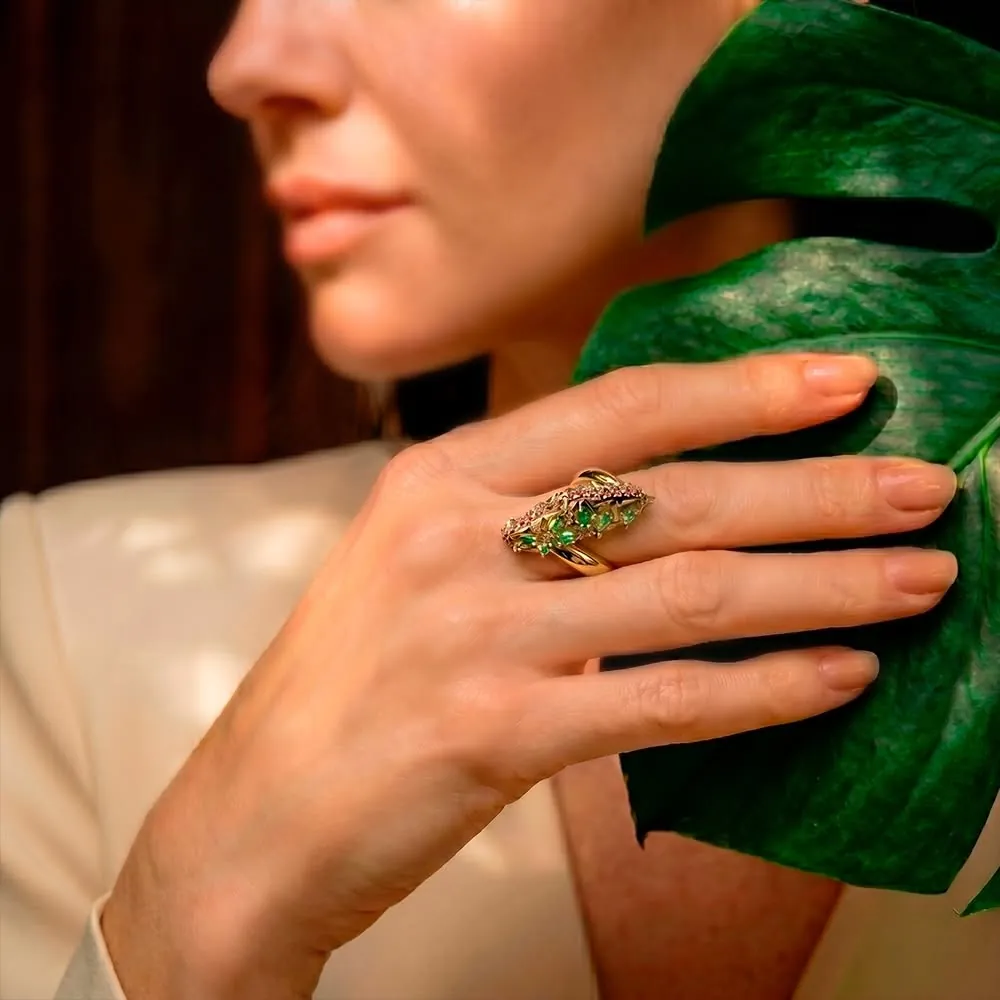
Bárbara Luna is CEO and Creative Director of Maison Flor de la Vida, a binational house (Ecuador / United States) headquartered in Quito, dedicated to bespoke high jewelry, heritage publishing, and cultural preservation.
- Official website: maisonflordelavida.com
- Headquarters & Private Showroom: Edificio Titanium II, Catalina Aldaz y Portugal, Quito, Ecuador
- Institutional contact: info@flordelavida.com.ec | Tel. +593 98 333 2061
- Social media: LinkedIn (Bárbara Luna) · Instagram / Facebook / YouTube (@joyeriaflordelavida / Maison Flor de la Vida)
The Editorial Board of Zoom’Art Paris Magazine wishes to thank lyric singer Raúl Gámez for facilitating this valuable introduction to Bárbara Luna, entrepreneur and guardian of her country’s cultural heritage, within this dialogue among the arts.