


Edvard Munch and the Spectral Camera: Photography, Psyche, and Redemption in the Bicentennial of Photography
By Victoria ZunigaArt Magazine 50
Two centuries after Nicéphore Niépce captured the world’s first permanent photograph in France in 1826, the history of the medium invites us to look beyond its documentary origins to rediscover its most radical pioneers. Among them emerges a facet long overshadowed by his painterly genius: Edvard Munch (1863–1944) as an experimental photographer. Beginning in 1902, after purchasing his first portable Kodak camera in Berlin, the Norwegian master turned the lens into an intimate extension of his existential torment and an instrument of psychological self-examination.
Unlike the nineteenth-century French tradition rooted in bourgeois portraiture and urban chronicling, Munch approached photography through the dissolution of the self. Rejecting academic sharpness, he deliberately harnessed technical "errors": long exposures, camera shake, blurred focus, and double exposures. Through these devices, he transformed his own figure into a translucent apparition within his studios at Åsgårdstrand and Ekely, as well as in the gardens of Dr. Daniel Jacobson’s psychiatric clinic in Copenhagen, where he was hospitalized from 1908 to 1909 following an acute nervous breakdown.
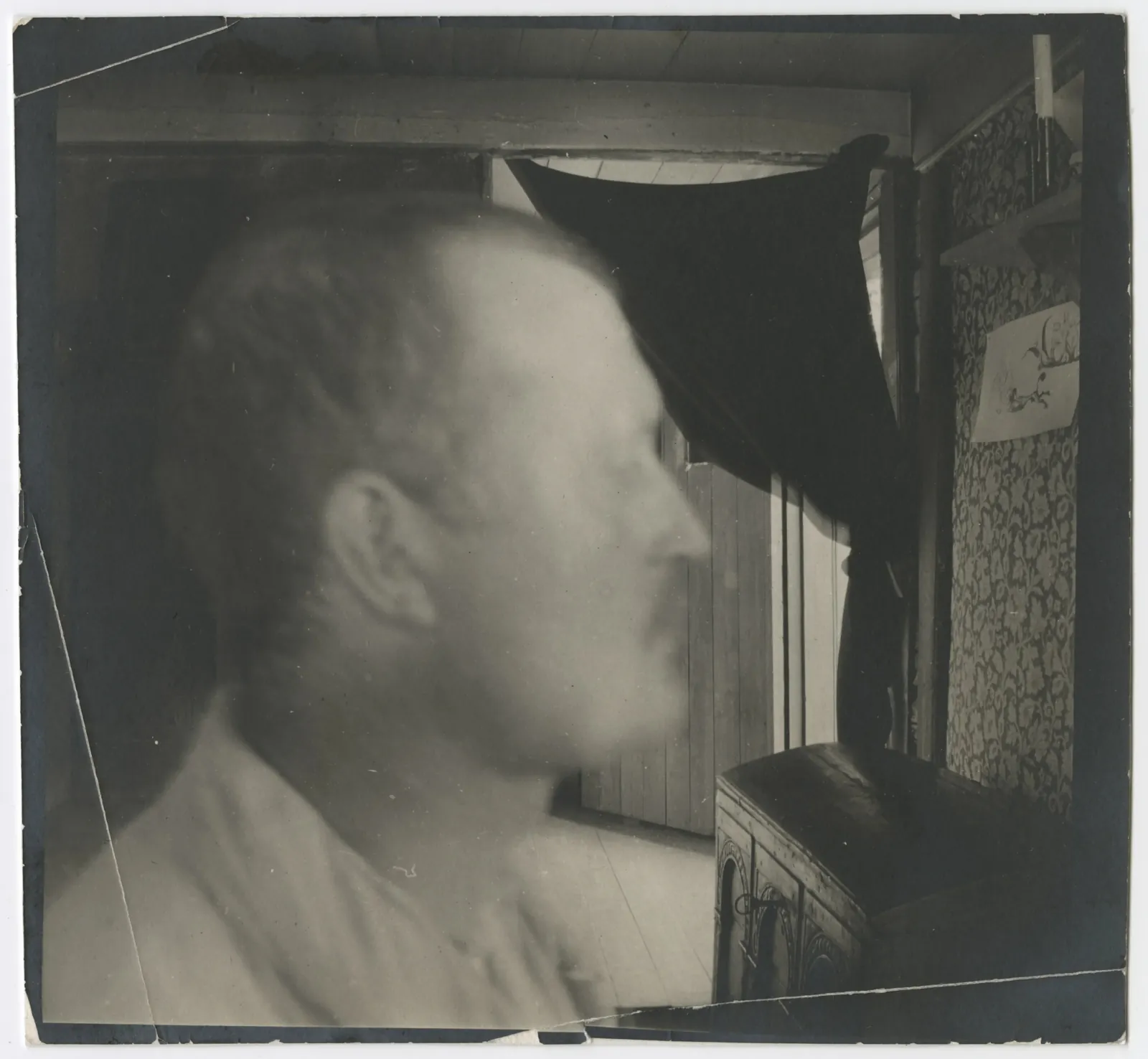
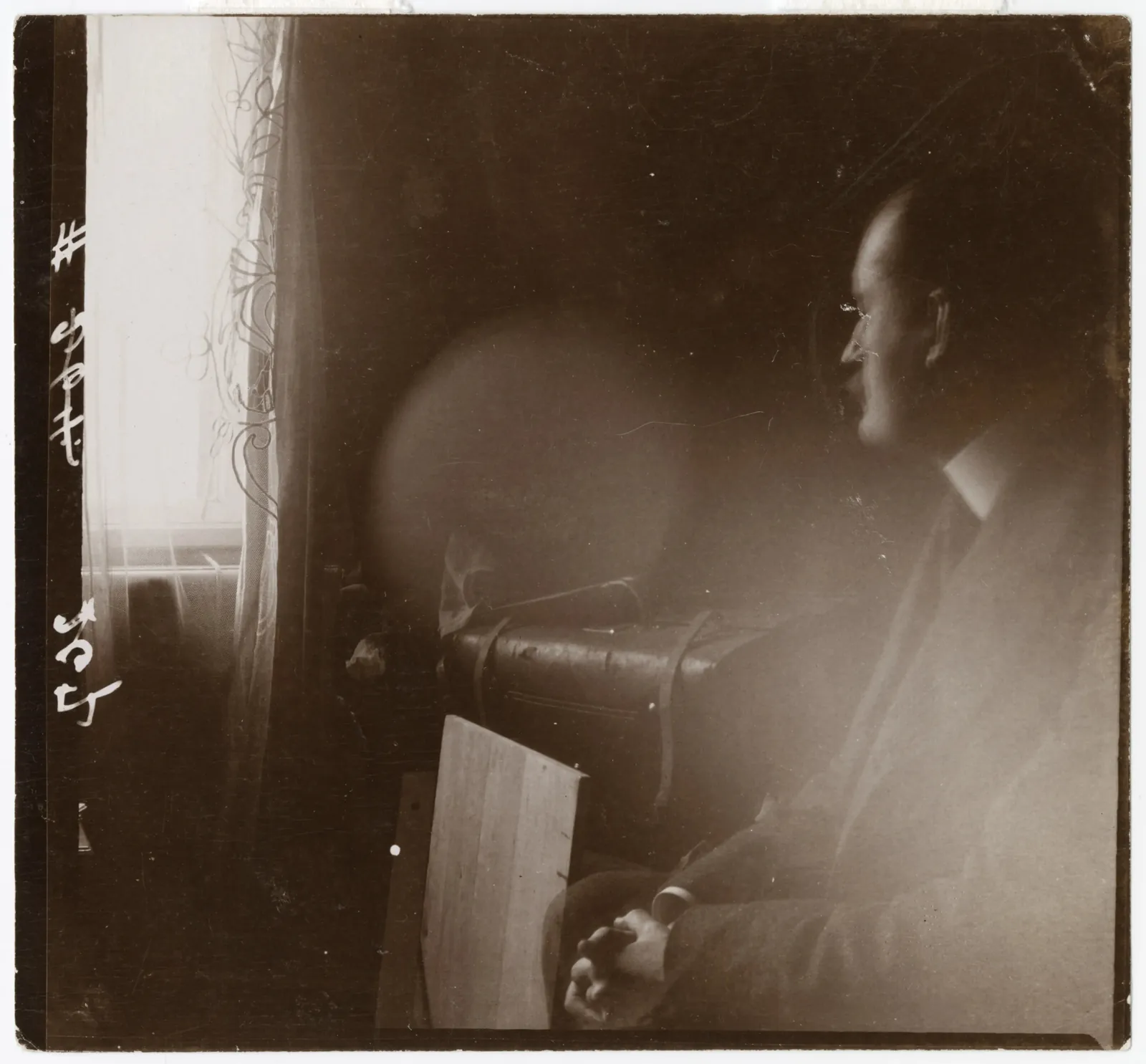
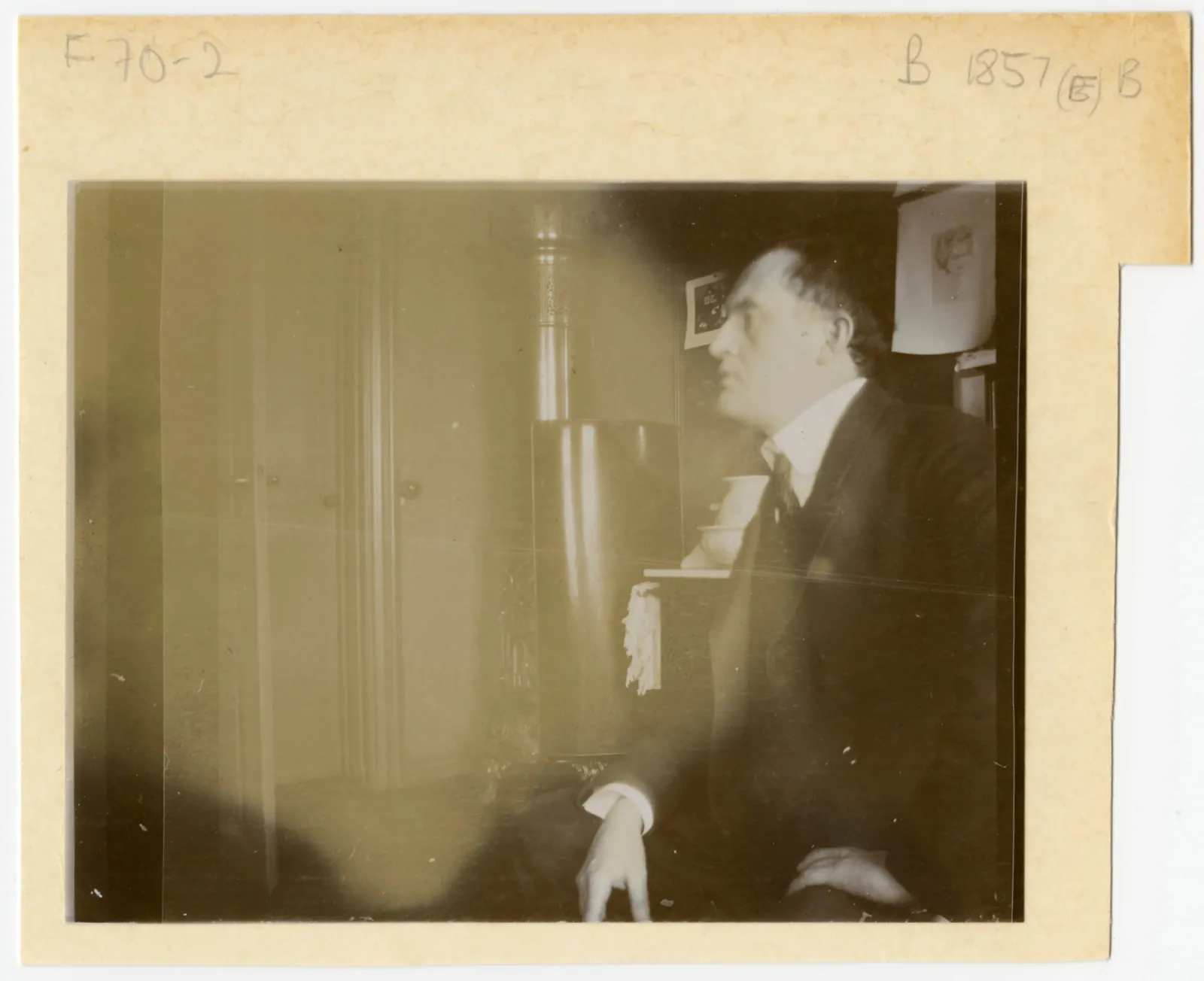
For Munch, plagued throughout his life by hallucinations, anxiety, and the hereditary shadow of mental illness, the camera functioned as a vital therapeutic tool. By externalizing his inner ghosts onto sensitized plates and photographic paper, he was able to confront his dread and contain it within aesthetic form. The very act of releasing the shutter at arm’s length, anticipating modern self-portraiture by decades, reaffirmed his physical existence against the threat of psychological disintegration.
Today, both the MUNCH Museum in Oslo and the Preus Museum in Horten (Norway’s National Museum of Photography, which preserves original cameras used by the artist) champion this body of over two hundred photographs. Munch’s photographic legacy stands as enduring proof that, driven by genuine artistic urgency, creation does more than record psychic wounds: it transforms them into lucidity and survival.