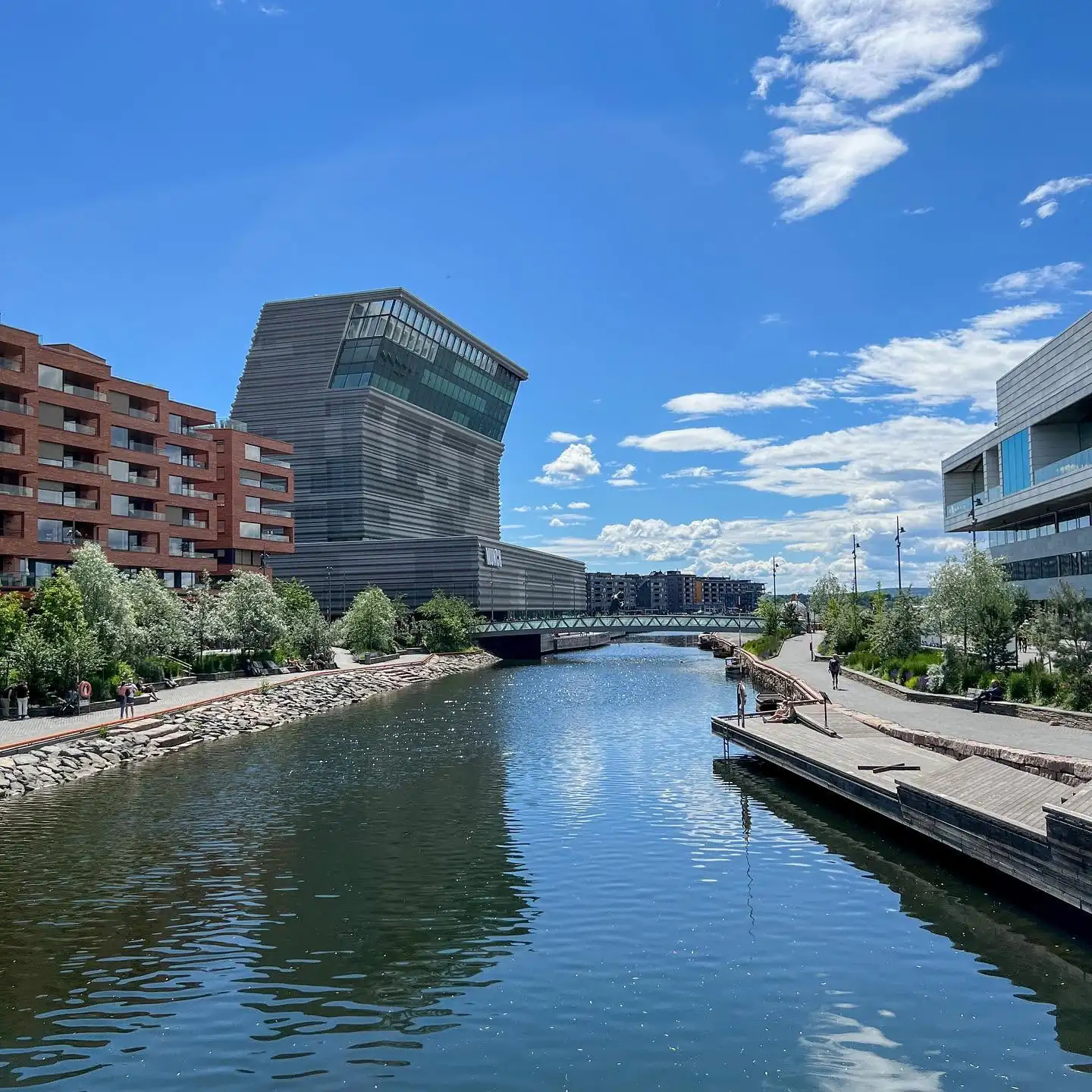


From the Andes to the Oslo Fjord: A Hypothesis on the Genesis of Edvard Munch’s The Scream
By Victoria ZunigaArt Magazine 50
Beyond its status as a universal icon of modern existential dread, The Scream (1893), whose primary tempera-and-crayon version is housed today at the National Museum in Oslo, emerged from a remarkable transatlantic convergence between pre-Columbian archaeology and the psychological fragility of Nordic Expressionism.
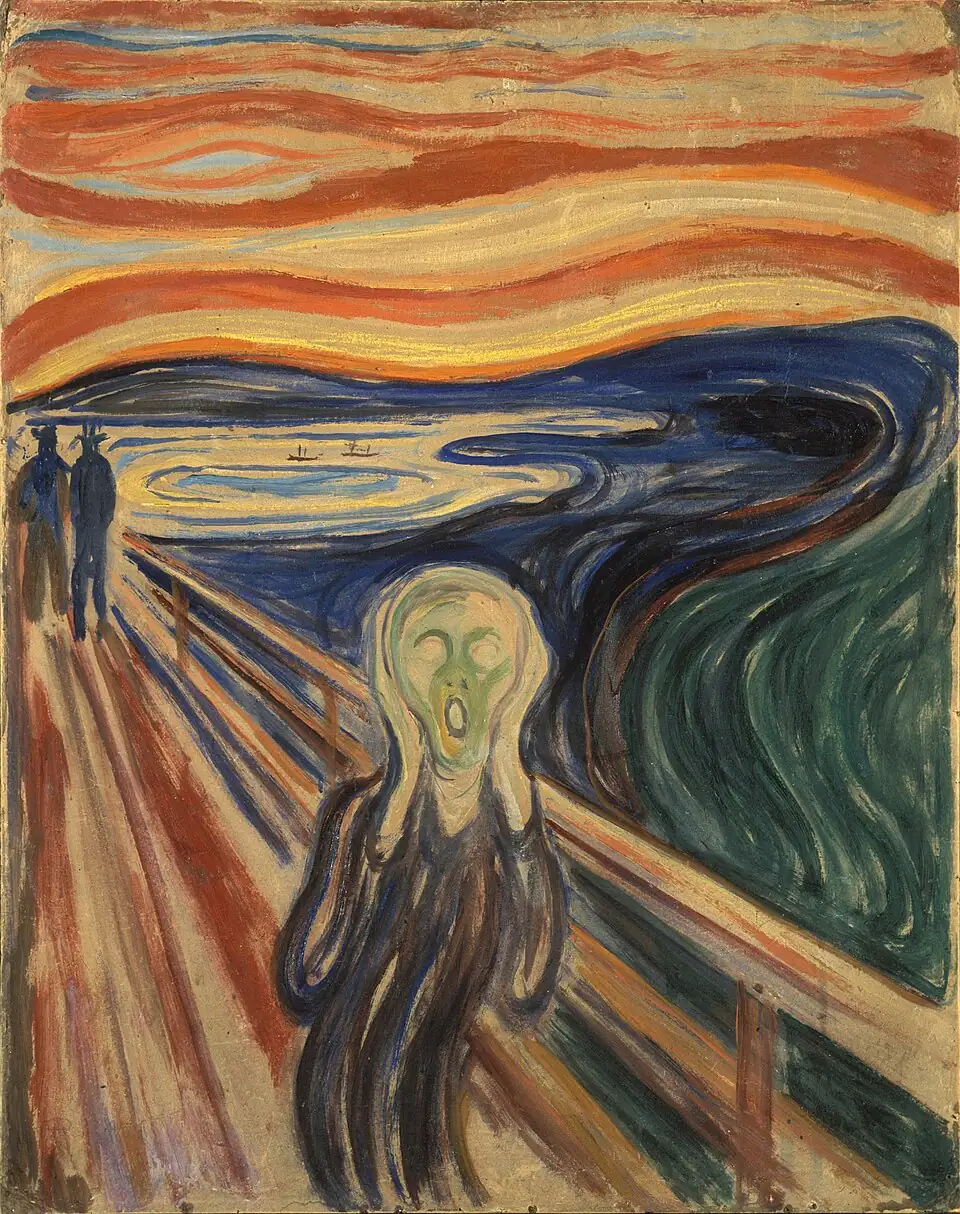
According to several art historians, the androgynous, skull-like figure at the center of the composition was not solely a product of the Norwegian painter’s imagination. In October 1889, Edvard Munch (1863–1944) traveled to Paris on a state scholarship to study in Léon Bonnat’s studio, coinciding with the closing weeks of the Exposition Universelle. During his stay, he visited the former Musée d’Ethnographie du Trocadéro (predecessor to today’s Musée de l’Homme). Among its displays was a Peruvian mummy in a fetal position, gaunt-faced with hands clutched to either side of its skull, belonging to the Chachapoya culture, the legendary "Cloud Warriors" of the northern Peruvian Amazonian highlands, noted in historical chronicles for their tall stature and fair complexion.
Munch, physically delicate and far removed from the traditional Viking archetype, was deeply moved by the desiccated remains. Reading as an expression of existential agony what was simply the anatomical result of Andean mummification, he sketched the posture in his Parisian notebooks.
Yet the atmospheric catalyst for the painting took place back home in Norway. In a note written in Nice on January 22, 1892, Munch recalled walking at sunset with two friends along the Ekeberg hill path (the historic Ljabrochausséen road overlooking the fjord of Kristiania, present-day Oslo): the sky suddenly turned an incandescent blood red, an optical phenomenon modern science links to volcanic aerosols lingering in the stratosphere after the 1883 eruption of Krakatoa.
Plagued by severe nervous exhaustion, recurring depression, and the hereditary shadow of mental illness, Munch experienced a paralyzing panic attack beneath a sky he perceived as "blood and tongues of fire." As his companions walked ahead, he stood trembling with terror, sensing "an infinite scream passing through nature." The iconic wooden walkway with its diagonal railing, frequently mistaken for a bridge over water, is in fact the safety fence along that steep Ekeberg overlook, which gazed down toward the city slaughterhouses and Gaustad Asylum, where his sister Laura was institutionalized. Thus, the Peruvian mummy lent its body to human terror, while the inflamed Nordic sky gave it its voice.